
A muffle furnace is a long-term capital asset, yet many laboratories treat it as a sealed box that either works or does not. In practice, most premature failures — cracked refractory, burnt-out heating elements, drifting thermocouples — are the cumulative result of small habits repeated over hundreds of thermal cycles. The good news is that muffle furnace maintenance is neither expensive nor complicated when it is done consistently. This guide outlines the operating habits, inspection routines and component care that measurably extend furnace life, reduce unscheduled downtime and keep your temperature data defensible.
Start With Operating Discipline, Not Repairs
Service engineers will tell you the same thing: most early failures trace back to how the furnace was used, not how old it is. Before any preventive maintenance schedule can help, the daily operating habits need to be sound.
Respect the Ramp Rate
Heating elements and refractory brick expand and contract with temperature. When a furnace is driven to 1000 °C at full power from a cold start, that expansion happens unevenly, and the stress accumulates at the element anchors and chamber corners. A controlled ramp — typically a moderate rate below 600 °C, then a faster climb above it — distributes that stress. Thermal shock, not overheating, is the leading cause of element breakage. If your controller supports multi-segment programs, use them even for routine work.
Load the Chamber Correctly
Proper loading protects both the sample and the furnace:
- Keep crucibles and boats at least 20–30 mm from the heating elements and chamber walls to allow radiant heat circulation.
- Never allow a sample to touch the thermocouple or its protective sheath; mechanical damage here causes silent measurement drift.
- Place items on a hearth plate or ceramic tray rather than directly on the fibre or brick floor, especially with powders and fluxes.
- Avoid overloading. A packed chamber creates cold spots, forces the elements to work harder, and produces unrepeatable results.
Do Not Use a Muffle Furnace as a Drying Oven
Wet samples, organic residues and volatile solvents release aggressive vapours and moisture inside the chamber. These attack the refractory lining, corrode element terminals and accelerate insulation degradation. Pre-dry samples in a drying oven whenever the protocol allows, and use the exhaust port or an afterburner for materials that produce smoke or fumes.
A Maintenance Schedule That Fits a Working Lab
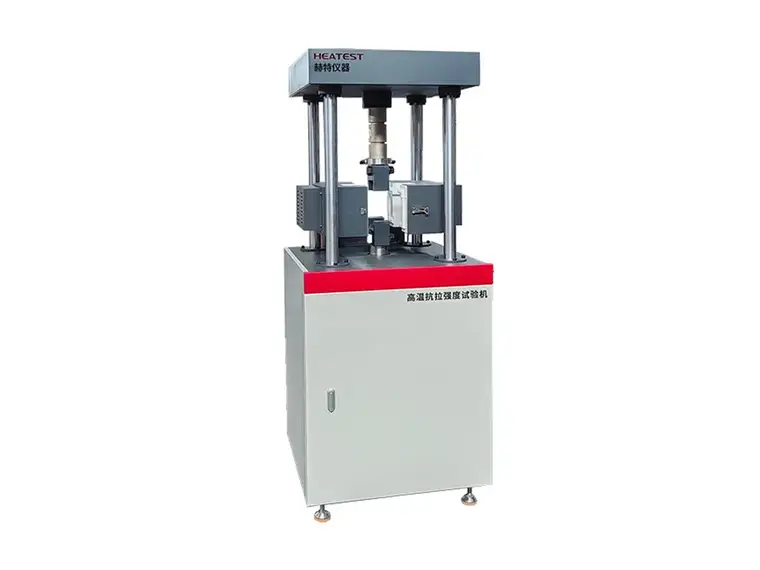
You do not need a maintenance department to keep a furnace healthy. A tiered schedule is enough.
Per Run
- Inspect the chamber for debris, spilled powder or broken crucible fragments before loading.
- Check that the door seal seats fully and the latch closes without force.
- Confirm the setpoint program and alarm limits are correct for the sample.
- After the run, allow natural cooling to below 200 °C before opening the door widely.
Weekly and Monthly
- Wipe the exterior and control panel; inspect the power cable and plug for heat discolouration.
- Vacuum loose oxide dust from the chamber floor with a soft brush attachment — never scrape with metal tools.
- Verify that the exhaust vent is clear and that the surrounding clearance (usually 30 cm or more) is maintained.
- Record the actual time taken to reach a reference temperature. A gradual increase in heat-up time is the earliest warning of element ageing.
Quarterly and Annually
Inspect element terminals for corrosion and tighten connections if the manufacturer permits. Check the door hinge and seal for compression set. Have the control system and thermocouple calibrated, and replace the thermocouple if drift exceeds your tolerance — often after 12 to 24 months of regular high-temperature use.
Component-Specific Care
Heating Elements
Elements fail slowly. Resistance rises, current draw drops, and the furnace struggles to hold setpoint. Keep a log of heat-up times so you can replace elements during planned downtime instead of after a batch is ruined. Never handle hot elements, and never let samples or tools rest against them.
Thermocouple and Control System
The thermocouple is the furnace's only source of truth. A contaminated or aged junction reads low, so the controller over-fires the chamber and shortens element life. Inspect the sheath for cracks, keep the compensating cable away from power lines, and calibrate against a reference instrument on a fixed interval — every six months for heavy use, annually for light use.
Refractory Lining and Door Seal
Hairline cracks in firebrick are normal and generally harmless. Cracks wider than 2–3 mm, crumbling edges or a seal that no longer compresses should be addressed promptly, because heat leakage at the door forces the elements to compensate continuously. Heatest Instrument supplies replacement seals and lining components for its furnace ranges so that a worn door does not become a reason to replace the whole unit.
Calibration, Records and Traceability

In accredited laboratories, maintenance is only half the story — documentation is the other half. Keep a log that records run dates, setpoints, hold times, observed deviations, calibration certificates and any component replacement. This record does two things: it satisfies auditors, and it gives you the data to predict failures before they happen. A furnace with a maintenance history is a furnace you can trust in a reportable result.
Mistakes That Shorten Furnace Life
- Opening the door at full temperature to check a sample.
- Routinely running above the maximum continuous temperature for “quick” jobs.
- Processing incompatible materials — ashing leaded or alkali-rich samples in the same chamber used for clean sintering.
- Ignoring controller error codes or intermittent alarms.
- Leaving the door ajar when the furnace is idle, which lets moisture into the insulation.
- Replacing a failed element without investigating why it failed.
Frequently Asked Questions

How often should a muffle furnace be calibrated?
Every six to twelve months for most laboratories, or more frequently if the furnace runs daily near its upper temperature limit, if results are used for compliance testing, or after any thermocouple replacement.
Can I replace a heating element myself?
On many models, yes, provided the furnace is fully isolated, cooled and disconnected from power. However, incorrect installation can damage the element or the terminal block, so confirm the procedure with the manufacturer before starting.
Why does my furnace take longer to reach temperature now?
The usual causes are element ageing, degraded insulation, a poorly sealing door, or a thermocouple reading low. Compare heat-up times against your maintenance log to identify which one applies.
Conclusion
Long furnace life is not the result of one expensive intervention — it is the product of controlled ramp rates, sensible loading, clean chambers and a maintenance log that is actually filled in. These habits cost minutes per week and routinely add years of reliable service. Where a component does need attention, using original-quality parts and manufacturer guidance keeps the furnace within specification instead of merely running. Teams that treat their muffle furnace as an instrument rather than an appliance are the ones whose results stay repeatable — and whose equipment stays in service.