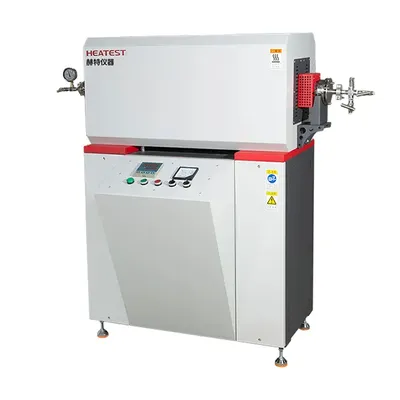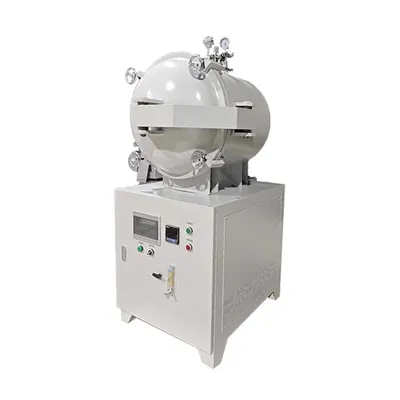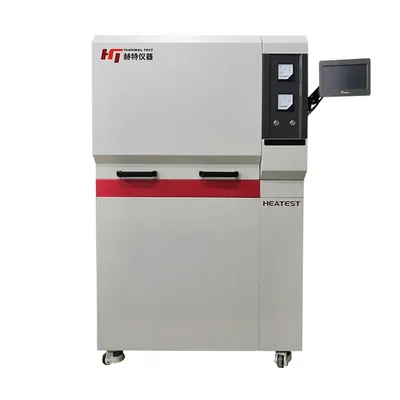
In industrial laboratories, material testing facilities, and production environments, a muffle furnace plays a critical role in delivering controlled high-temperature conditions for processes such as ashing, heat treatment, sintering, and quality testing. However, even a high-quality furnace can gradually drift away from its set temperature over time. This is why understanding how to calibrate a muffle furnace for temperature accuracy is essential for maintaining reliable results, ensuring compliance with testing standards, and protecting product quality.
Temperature accuracy in a muffle furnace is not simply a technical preference. It directly affects the integrity of experimental data and industrial outcomes. Even a deviation of a few degrees can lead to inconsistent material properties, failed quality inspections, or inaccurate research conclusions. For this reason, calibration is not a one-time task but a structured mainten ance process that should be integrated into regular operational routines.
Understanding Why Calibration Matters in Thermal Processing
A muffle furnace operates under extreme thermal conditions, often reaching temperatures above 1000°C. Over time, heating elements age, thermocouples drift, insulation properties degrade, and control systems lose precision. These gradual changes are not always visible during routine operation, but they significantly affect temperature uniformity and accuracy inside the chamber.
When a furnace is not properly calibrated, operators may unknowingly work with incorrect temperature readings. For example, a displayed temperature of 800°C might actually correspond to a real chamber temperature of 780°C or 820°C. This discrepancy can compromise processes such as ash content determination, ceramic firing, or metal heat treatment. Therefore, calibration ensures that the furnace controller readings truly reflect the actual thermal environment.
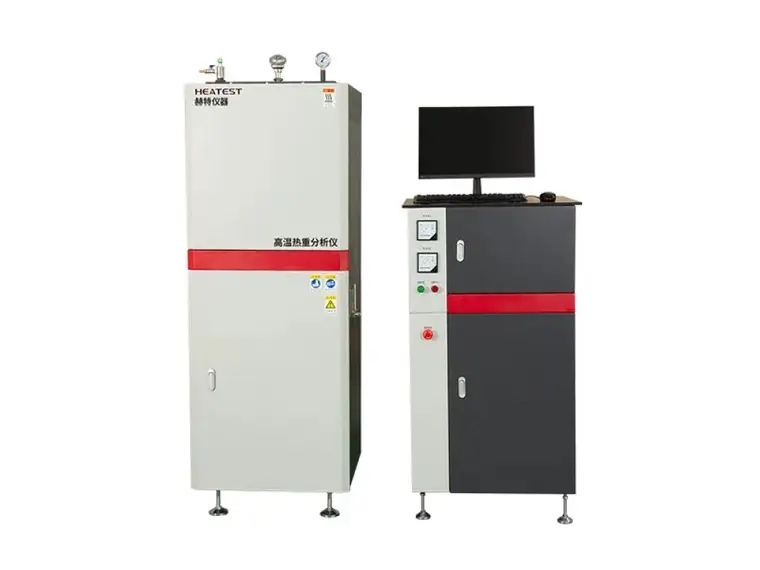
Preparing for a Muffle Furnace Calibration Process
Before starting the calibration process, it is important to ensure that the furnace has been operating under stable conditions. The furnace should be allowed to stabilize at room temperature and then gradually heated to the desired calibration points. It is also necessary to verify that all safety protocols are followed, as calibration often involves working with high-temperature equipment and sensitive measurement devices.
A professional calibration typically requires a reference instrument with higher accuracy than the furnace itself. This may include a certified thermocouple, a calibrated temperature data logger, or a precision pyrometer. These instruments serve as the benchmark for comparing the furnace’s displayed temperature against the actual measured temperature inside the chamber.
Step-by-Step Calibration Method for Temperature Accuracy
The calibration process usually begins by setting the muffle furnace to a specific target temperature, often selected across a range that reflects its normal operational use. Common calibration points include low, medium, and high temperature ranges to ensure consistency across the full working spectrum.
Once the furnace reaches the target setpoint, it should be allowed to stabilize for a sufficient soak period. This stabilization period is essential because muffle furnaces require time to distribute heat evenly across the chamber. During this phase, a reference thermocouple or temperature probe is inserted into the furnace chamber, typically placed near the geometric center to obtain an accurate reading.
The measured temperature from the reference device is then compared with the furnace’s displayed temperature. Any deviation is recorded as an error value. If the difference falls outside acceptable tolerance limits defined by laboratory standards or manufacturer specifications, adjustments must be made through the furnace’s control system.
Modern muffle furnaces often include digital controllers that allow operators to perform offset calibration. This means the system can be adjusted to compensate for the detected deviation, aligning displayed values with actual measured temperatures. After adjustment, the process should be repeated to confirm that the correction has been successful.
Ensuring Temperature Uniformity Across the Furnace Chamber
Accurate calibration is not only about matching a single temperature point. It is also essential to evaluate temperature uniformity within the furnace chamber. Uneven heat distribution can occur due to aging heating elements, airflow restrictions, or insulation degradation.
To assess uniformity, multiple thermocouples are placed at different positions inside the chamber. These points typically include the front, center, rear, and upper and lower zones. The furnace is then operated at a stable temperature, and readings from all sensors are compared.
If significant variation is observed between different points, this indicates a uniformity issue rather than a simple calibration drift. In such cases, maintenance actions may be required, such as replacing heating elements, inspecting insulation layers, or recalibrating the control system more comprehensively.
Common Sources of Calibration Errors
Several factors can influence calibration accuracy in a muffle furnace. Thermocouple aging is one of the most common causes, as sensor materials degrade under continuous high-temperature exposure. In addition, poor probe placement during calibration can lead to misleading readings, especially if the sensor is too close to heating elements or furnace walls.
Electrical fluctuations and unstable power supply can also affect furnace performance during calibration. Environmental conditions, such as rapid ambient temperature changes or excessive airflow around the furnace, may further impact measurement consistency. Understanding these factors allows operators to minimize errors and achieve more reliable calibration results.
Recommended Calibration Frequency and Maintenance Strategy
The frequency of calibration depends on the furnace usage intensity, operating temperature range, and industry requirements. In general, laboratories performing high-precision testing should calibrate their muffle furnaces at least once every six to twelve months. However, in critical applications such as pharmaceutical testing or aerospace material validation, more frequent calibration cycles may be necessary.
A preventive maintenance strategy should also be implemented alongside calibration. This includes periodic inspection of heating elements, verification of thermocouple integrity, and monitoring of temperature stability trends over time. Keeping detailed calibration records is also essential for audit compliance and quality assurance systems such as ISO certification.
Professional Insight: Improving Long-Term Furnace Accuracy
From an engineering perspective, long-term temperature accuracy depends not only on calibration but also on operational discipline. Avoiding sudden temperature changes, preventing overloading of the furnace chamber, and ensuring proper ventilation around the equipment all contribute to maintaining stable performance.
In addition, investing in high-quality calibration instruments and trained personnel significantly improves reliability. Many industrial users choose to work with certified calibration services to ensure compliance with international standards and reduce measurement uncertainty.
Conclusion
Learning how to calibrate a muffle furnace for temperature accuracy is essential for any organization that relies on precise thermal processing. Calibration ensures that the furnace operates within defined tolerances, protects the integrity of experimental and industrial outcomes, and extends the equipment’s service life.
By combining regular calibration, temperature uniformity checks, and preventive maintenance practices, operators can maintain consistent performance and reduce the risk of production or testing errors. In high-demand industrial environments, this disciplined approach is not just recommended—it is a fundamental requirement for quality assurance and operational reliability.