
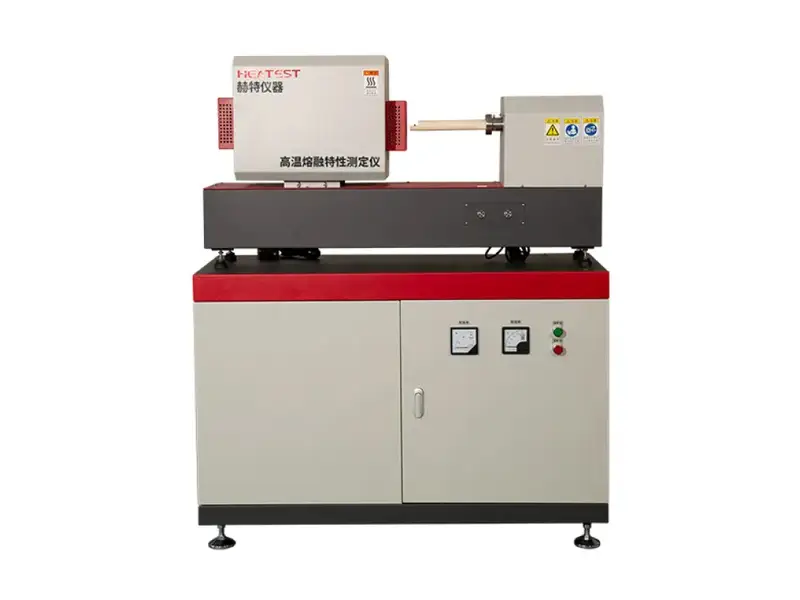
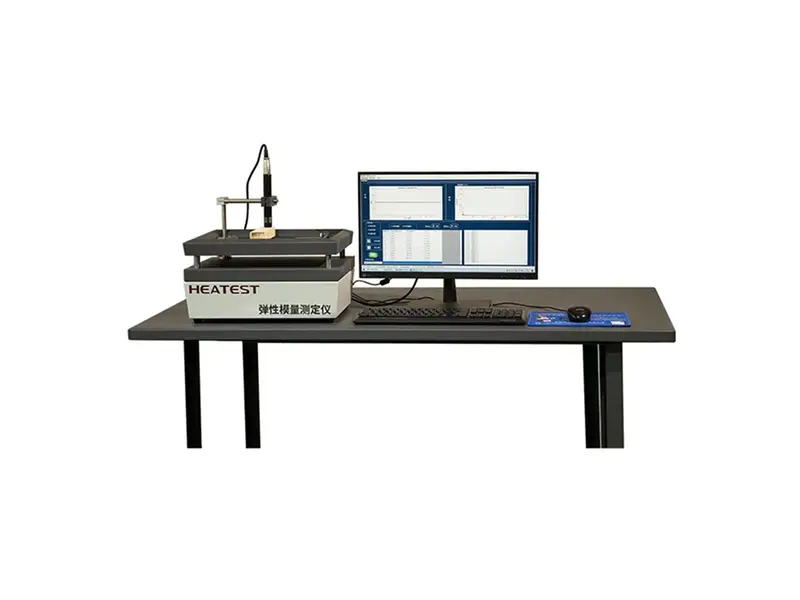
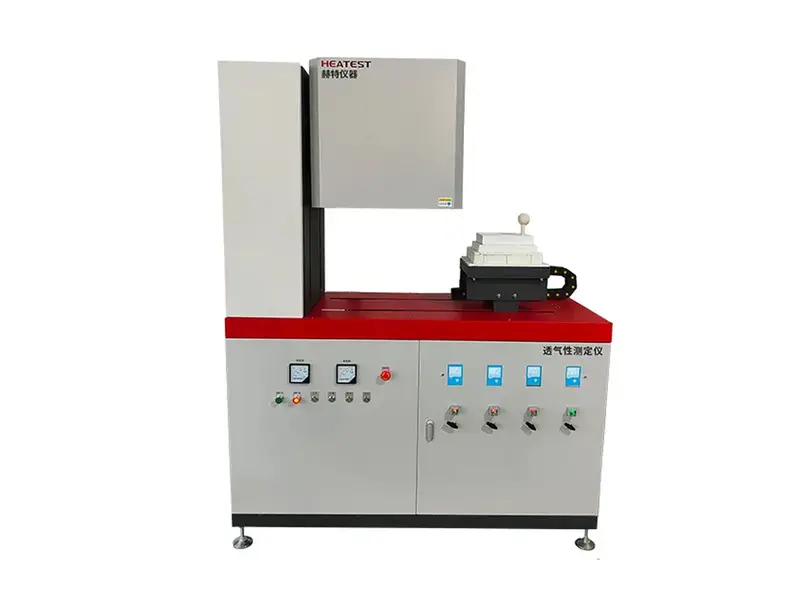
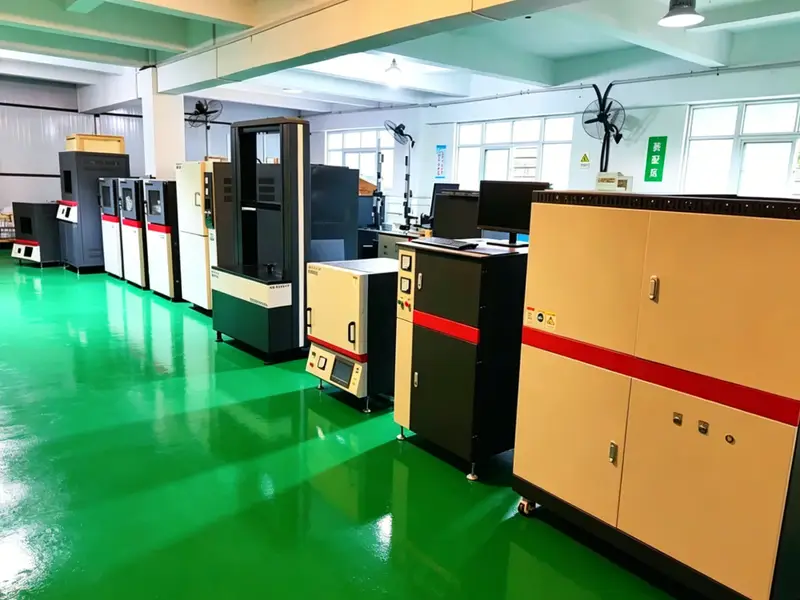
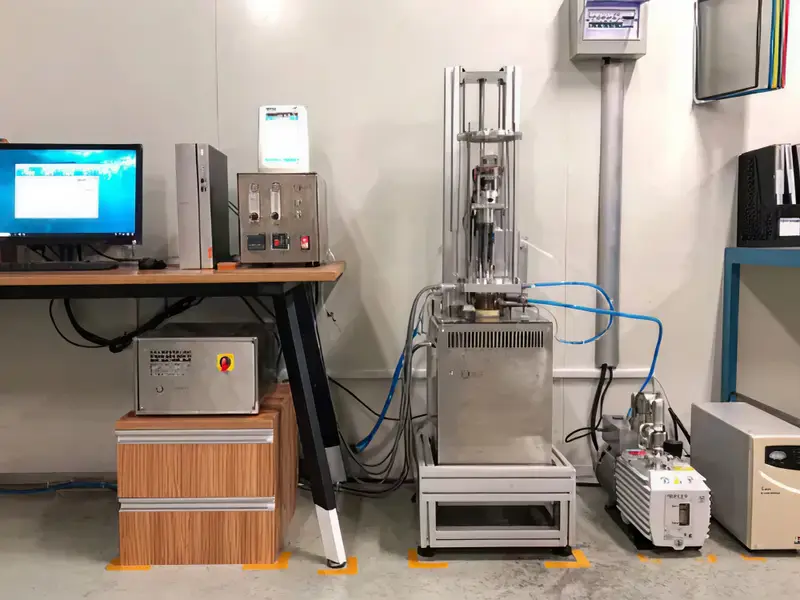
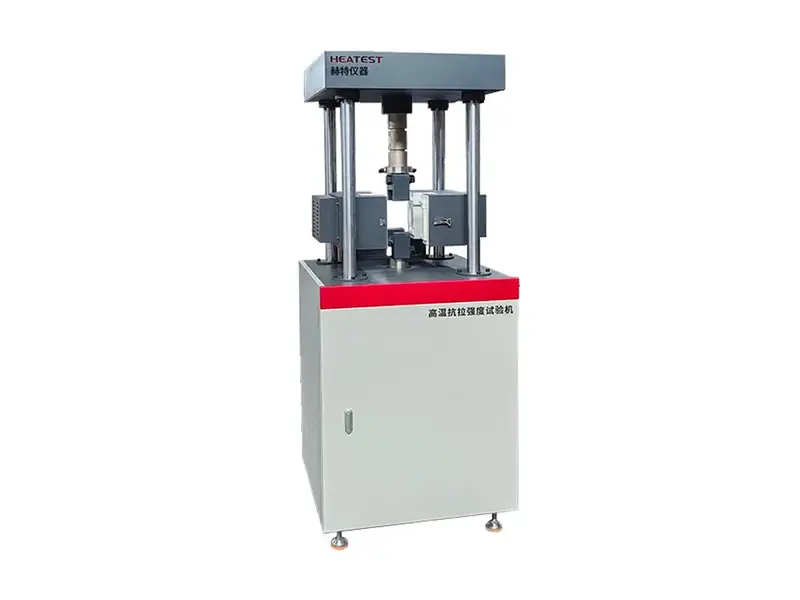
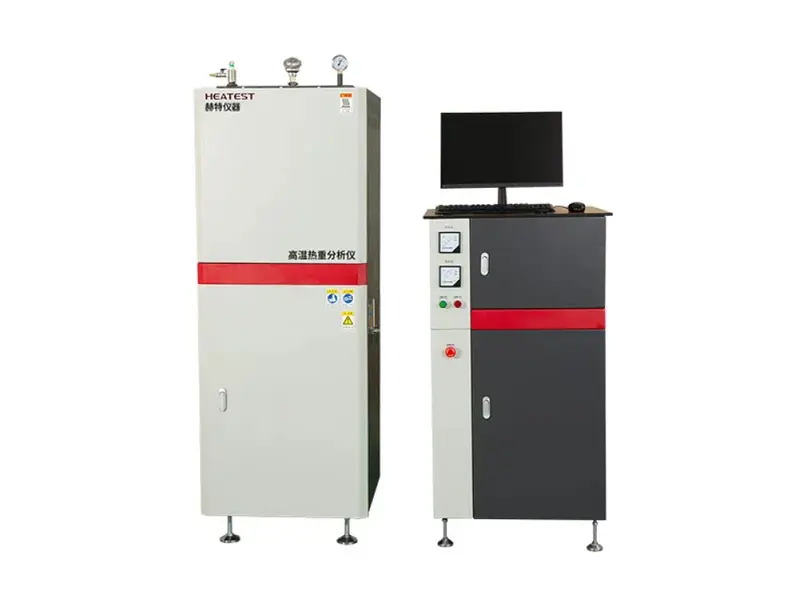
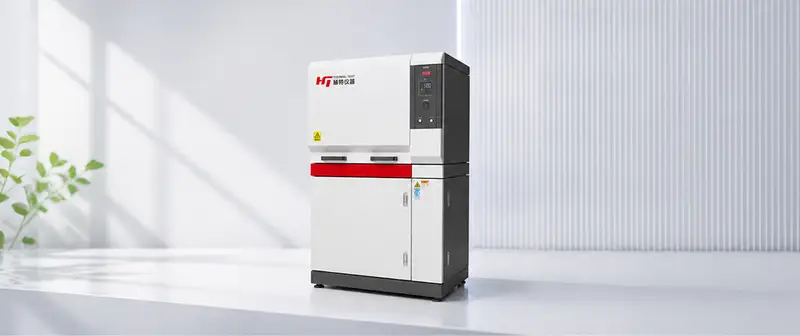

banner-High Temperature Testing Instruments

High Temperature Testing Instruments - HEATEST

Explore our comprehensive range of high temperature testing instruments designed for material performance evaluation under extreme thermal conditions. Trusted by labs worldwide.

PRODUCTS CENTER

Our High Temperature Testing Instruments Product Line

Browse our selection of high temperature test chambers, ovens and furnaces engineered to simulate demanding thermal environments. Each product is built with precision control and durability.
高温测试仪器1
High Temperature Testing Importance

High temperature testing instruments play a vital role in material science and quality assurance. From aerospace turbine blades to automotive exhaust components, materials must withstand extreme heat without failure. These instruments allow engineers to measure thermal expansion, creep resistance, tensile strength at elevated temperatures, and oxidation behavior. Without proper high temperature testing, manufacturers risk catastrophic failures in service.

高温测试仪器2
Features and Industrial Value

HEATEST instruments are designed to provide accurate and repeatable thermal conditions, enabling R&D teams to validate new alloys, composites and coatings. Moreover, compliance with standards such as ASTM E21 (high temperature tensile testing) and ISO 188 (thermal aging) requires the use of calibrated high temperature testing equipment. Investing in reliable high temperature testing instruments reduces warranty costs, improves product life and enhances brand reputation.

Features

Features of High Temperature Testing Instruments

High-temperature testing instruments are essential equipment used to evaluate the thermal stability, mechanical performance, and material behavior of metals, ceramics, composites, and advanced industrial materials under extreme heat conditions.

Wide Temperature Measurement Range

High-temperature testing instruments are designed to operate under extreme conditions, typically ranging from several hundred degrees Celsius to over 2000°C, depending on the configuration. This allows accurate simulation of real industrial environments such as furnaces, engines, and high-heat processing systems.

High Precision Temperature Control

Advanced control systems ensure stable and accurate temperature regulation throughout the testing process. PID or multi-zone control technology is often used to minimize fluctuations and maintain consistent thermal conditions, ensuring reliable and repeatable test results.

Excellent Thermal Stability and Uniformity

These instruments are engineered with high-performance heating elements and insulation systems to ensure uniform temperature distribution. This reduces thermal gradients and ensures that material samples are tested under consistent conditions.

Advanced Data Acquisition and Monitoring System

Modern high-temperature testing systems are equipped with digital data acquisition units that record temperature, stress, strain, deformation, and other critical parameters in real time. This enables precise analysis of material behavior under thermal stress.

Strong Structural Design for Extreme Conditions

The mechanical structure is built using heat-resistant alloys and refractory materials to ensure long-term stability under continuous high-temperature operation. This enhances durability and reduces deformation risks during testing.

Multi-Functional Testing Capability

Depending on configuration, these instruments can perform tensile testing, compression testing, creep testing, fatigue testing, and thermal expansion analysis under high-temperature environments, providing comprehensive material performance evaluation.

High Safety Performance

Safety systems such as over-temperature protection, emergency shutdown, insulation shielding, and fault alarm systems are integrated to ensure safe operation even under extreme conditions.

Automation and Intelligent Control

Many systems support automated testing procedures, programmable temperature profiles, and remote monitoring. This improves testing efficiency and reduces manual intervention.

Compatibility with Multiple Sample Types

High-temperature testing instruments can accommodate various sample shapes and materials, including metals, ceramics, polymers, and composite materials, making them highly versatile for research and industrial applications.

Reliable Long-Term Performance

Designed for continuous operation, these instruments offer high stability, low maintenance requirements, and long service life, ensuring consistent performance in demanding laboratory and industrial environments.

Applications

Industries and Applications for High Temperature Testing

High temperature testing instruments serve diverse sectors including aerospace, automotive, electronics and energy. Each field demands specific thermal profiles and measurement capabilities.
01

Aerospace

In aerospace applications, high-temperature testing is essential for validating turbine blades, heat shields, and engine components that operate under extreme conditions exceeding 1200°C. These tests help engineers ensure structural integrity, thermal stability, and fatigue resistance during long-duration flight missions, where failure is not an option.
02

Automotive

Automotive manufacturers rely on thermal testing to evaluate exhaust systems, brake components, and engine parts. High-temperature testing instruments are used to assess thermal fatigue resistance and long-term performance, ensuring vehicle safety, durability, and compliance with increasingly strict emission and efficiency standards.
03

Electronics

In electronics manufacturing, these instruments are used for reliability testing of PCBs, solder joints, and semiconductor devices. Accelerated thermal aging tests help predict product lifespan and identify potential failure risks caused by continuous thermal cycling in real operating environments.
04

Materials Science and R&D

High-temperature testing is fundamental in materials science research, particularly for superalloys, advanced ceramics, and high-temperature polymers. These instruments support the development of next-generation materials by analyzing mechanical properties, oxidation resistance, and structural changes under extreme heat conditions.
05

Energy and Power Sector

In the energy industry, thermal testing is applied to gas turbines, nuclear fuel cladding, and solar thermal receiver materials. These components must maintain stability and efficiency under prolonged high-temperature exposure, making precise testing essential for safety and performance assurance.
06

Additive Manufacturing

With the rapid growth of metal additive manufacturing, high-temperature testing is used for post-process heat treatment optimization and in-situ monitoring of printed parts. This ensures microstructural stability, reduces residual stress, and improves mechanical performance of complex geometries.
07

Defence and Military Applications

In defense engineering, materials such as armor systems, missile components, and thermal batteries are tested under extreme battlefield temperature conditions. High-temperature testing ensures reliability, survivability, and operational readiness in harsh environments.
08

Laboratory and Fundamental Research

In academic and industrial laboratories, these instruments support fundamental studies on thermal decomposition, phase transitions, creep behavior, and material kinetics. Controlled high-temperature environments enable researchers to understand material behavior at a scientific level and drive innovation in advanced engineering materials.
WHY CHOOSE US

Why HEATEST for Your High Temperature Testing Needs

HEATEST combines decades of thermal engineering expertise with a commitment to precision, durability and customer satisfaction. Our high temperature testing instruments are trusted by leading labs and manufacturers globally.

01
Superior Quality Control

Every instrument undergoes rigorous calibration and performance testing before shipment, ensuring accuracy within ±1°C across the range.

02
Innovative Thermal Technology

Patented heating element design and multi-layer insulation minimize heat loss and reduce energy consumption by up to 30%.

03
Full Certification

All HEATEST high temperature testing instruments comply with CE, ISO 9001, and relevant ASTM/IEC standards, with options for NIST traceable calibration.

04
Customizable Solutions

Need a unique size, temperature range or add-on feature? Our engineering team designs bespoke high temperature testing instruments to match exact specifications.

05
Global Support Network

With service centers in 20+ countries, we offer on-site installation, training and technical support within 48 hours for most locations.

06
Competitive Pricing

Direct manufacturer pricing with no middleman, providing high-end performance at cost-effective rates. 5-year warranty available on select models.

07
Proven Track Record

Over 15,000 units deployed worldwide across aerospace, automotive and research institutions, with a 98% customer satisfaction rate.

08
Continuous R&D

We invest 8% of annual revenue in developing next-generation high temperature testing instruments for emerging industries like electric vehicle batteries and hydrogen energy.

Customized Services

Customization and Technical Assistance

HEATEST provides tailored high temperature testing instrument solutions for unique requirements. From chamber size to data acquisition integration, we work closely with you to deliver the perfect fit.

At HEATEST, we understand that standard products may not cover every testing scenario. That's why we offer extensive customization options for our high temperature testing instruments. Whether you need a walk-in high temperature chamber for large parts, a specialized atmosphere furnace for inert gas testing, or integration with existing laboratory management software, our team can engineer it. Our technical support includes free consultation during the design phase, installation and commissioning at your facility, and ongoing remote diagnostics. All customized instruments retain the same quality certifications and warranty terms as our standard line. We also provide training programs for operators to ensure optimal use and long service life.

定制板块
ISO 9001
CERTIFIED

Custom temperature ranges from -100°C to +2000°C (with appropriate models).

Special atmosphere control (nitrogen, argon, vacuum) for oxidation-free testing.

Custom chamber sizes from 30L to 10,000L.

Integrated sensors and vision systems for real-time deformation monitoring.

Data logging with cloud connectivity via Ethernet, USB or IoT modules.

Calibration services (ISO 17025 accredited lab) with traceable certificates.

FAQ

High Temperature Testing Instruments FAQs

What are high temperature testing instruments used for?

High temperature testing instruments are used to evaluate how materials behave under extreme heat conditions. They help measure properties such as thermal expansion, tensile strength, creep resistance, oxidation behavior, and thermal aging performance, ensuring materials remain stable and reliable in real-world applications.

What temperature range can these instruments handle?

The temperature range depends on the system configuration, but many high temperature testing instruments can operate from several hundred degrees Celsius up to 1200°C, 1600°C, or even higher in specialized systems designed for advanced materials testing.

Why is temperature accuracy important in testing?

Temperature accuracy directly affects the reliability of test results. Even small deviations can lead to incorrect material performance data, which may cause design failures or unsafe product applications. High-precision control systems are therefore essential.

What types of materials can be tested?

These instruments can test a wide range of materials, including metals, superalloys, ceramics, polymers, composites, semiconductors, and advanced engineered materials used in high-performance applications.

How do these instruments improve product safety?

By identifying material weaknesses under extreme heat, high temperature testing helps prevent structural failures, deformation, and unexpected breakdowns in service, thereby improving overall product safety and reliability.

Which industries commonly use high temperature testing equipment?

These instruments are widely used in aerospace, automotive, electronics, energy and power, materials science, additive manufacturing, defense, and academic research laboratories. Any industry that involves high-temperature processes or thermal stress testing relies on this equipment.

What standards are followed in high temperature testing?

Common international standards include ASTM E21 for high temperature tensile testing and ISO 188 for thermal aging. Compliance with these standards ensures test results are accurate, repeatable, and globally recognized for quality assurance and certification purposes.

Can high temperature testing predict material lifespan?

Yes. Through accelerated thermal aging and creep testing, engineers can estimate how materials will perform over long periods under continuous heat exposure. This helps predict product lifespan and improve design reliability.

What is the difference between standard testing and high temperature testing?

Standard testing is performed at room or moderate temperatures, while high temperature testing simulates extreme thermal environments. This allows engineers to understand material behavior under conditions similar to real operational stress.

Do high temperature testing instruments require calibration?

Yes. Regular calibration is essential to ensure measurement accuracy, compliance with international standards, and consistency of test results over time. Proper calibration also supports certification and quality assurance processes.
CONTACT US
Talk to an expert
Share your requirements and we’ll help you find the right solution for your business.
  • Get a quote + customized solution

Get a quick quote

We typically confirm within 24 hours.