STEP 1
Liftable Rotary Mechanism
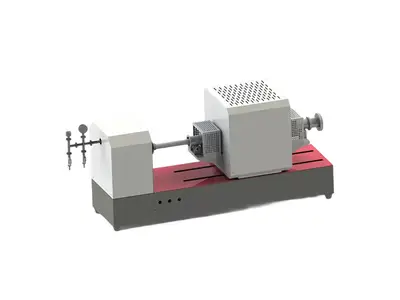
The High Temperature Slag Resistance Test Furnace features a liftable rotary mechanism for easy sample loading and positioning, enhancing test efficiency and reducing operator safety risks.
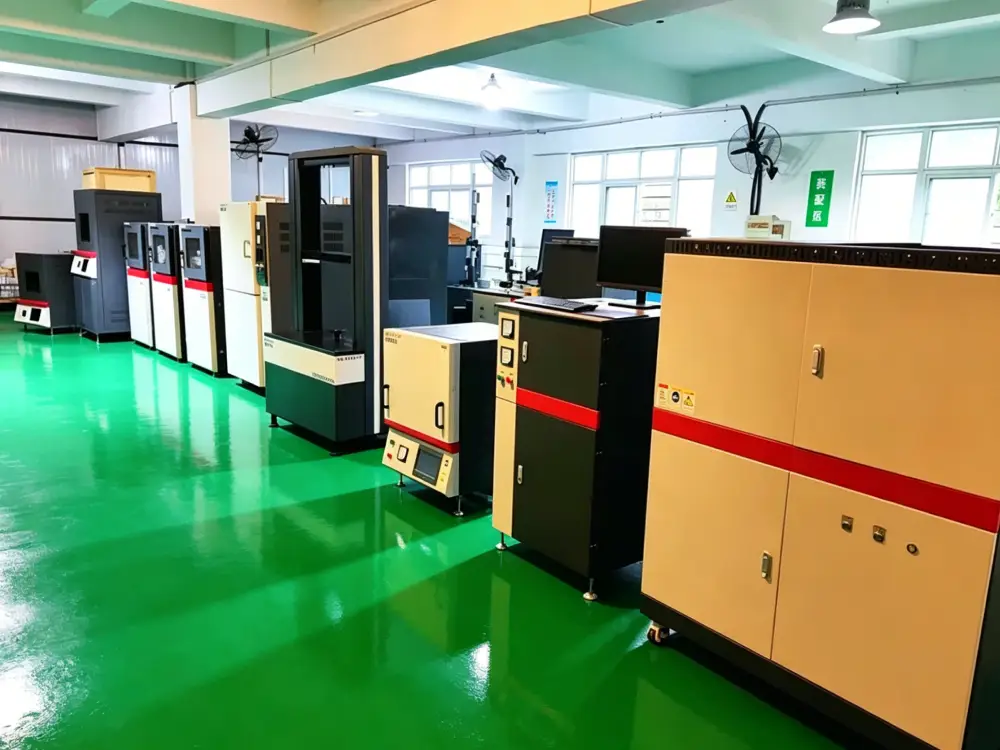
The high temperature slag resistance test furnace is engineered to assess the endurance of refractory materials against high-temperature and slag erosion, crucial for materials used in industrial furnaces. This furnace adheres to GB/T8931 standards, providing precise testing conditions for material scientists and engineers.
The high temperature slag resistance test furnace is pivotal for evaluating the performance of refractory and ceramic materials in high-temperature industrial settings. With a capability to reach temperatures up to 1700℃, this furnace provides a controlled environment to test material resistance to slag erosion, ensuring the longevity and reliability of refractory materials in real-world applications.
Its structural design, featuring a liftable rotary mechanism, simplifies the process of sample loading and positioning, enhancing both test efficiency and operator safety. The furnace's functional characteristics include precise speed control and the ability to simulate a non-oxidizing environment, which is vital for accurate erosion condition replication.
Compared to other testing equipment, our high temperature slag Resistance test furnace stands out with its multiple protection mechanisms, ensuring the safety of tests and the reliability of the equipment. It can accommodate varying sample numbers, catering to different scales of testing needs.