STEP 1
Manual Temperature Control
Operators can manually set temperature range and change rate parameters, providing flexibility in testing according to specific material requirements.
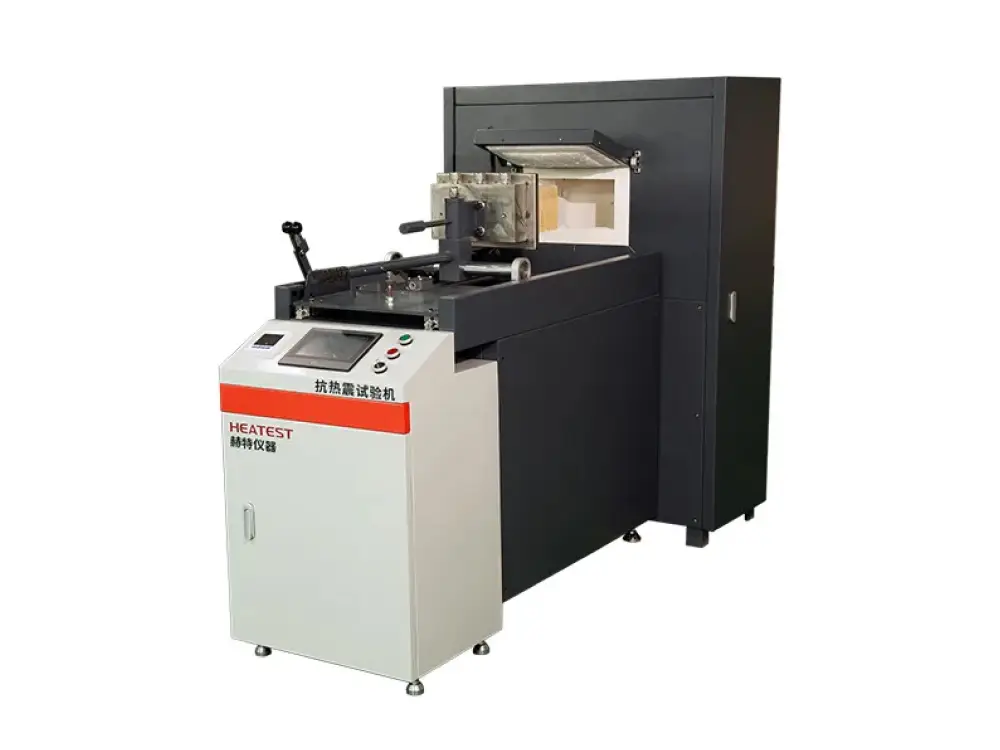
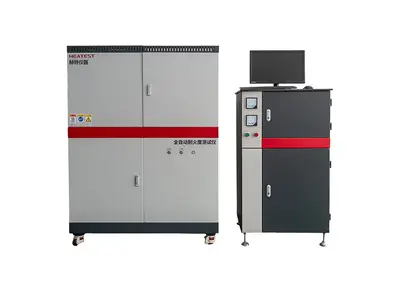
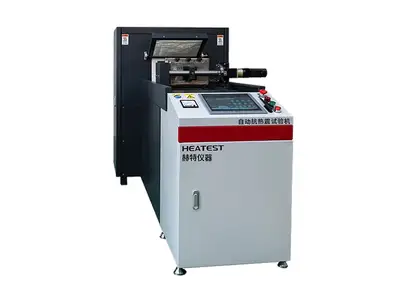
The RZ.HT1301A model of thermal shock resistance tester is engineered for evaluating the thermal shock stability of refractory materials. This equipment is recognized for its high automation, ease of operation, and reliability, making it an essential tool for material testing in industries where temperature fluctuations are a concern.
The RZ.HT1301A thermal shock resistance tester is specifically designed to simulate the rapid temperature changes that refractory materials may encounter in real-world applications. This equipment is crucial for assessing the durability and stability of materials under thermal shock, providing insights into their mechanical and thermal properties.
Its application is primarily in the thermal shock performance testing of refractory materials, which are often subjected to drastic temperature changes in industrial settings. The quality of these materials' performance directly impacts their service life and the safety of production processes. The thermal shock tester offers a critical evaluation tool for material selection and enhancement.
The RZ.HT1301A model stands out with its manual control capabilities, allowing operators to set temperature change parameters and intervene during the testing process. Its sample observation feature and data recording system enhance the accuracy and reliability of test results, while its low failure rate design ensures consistent performance.