
banner-product-LaboratoryFurnace-dark

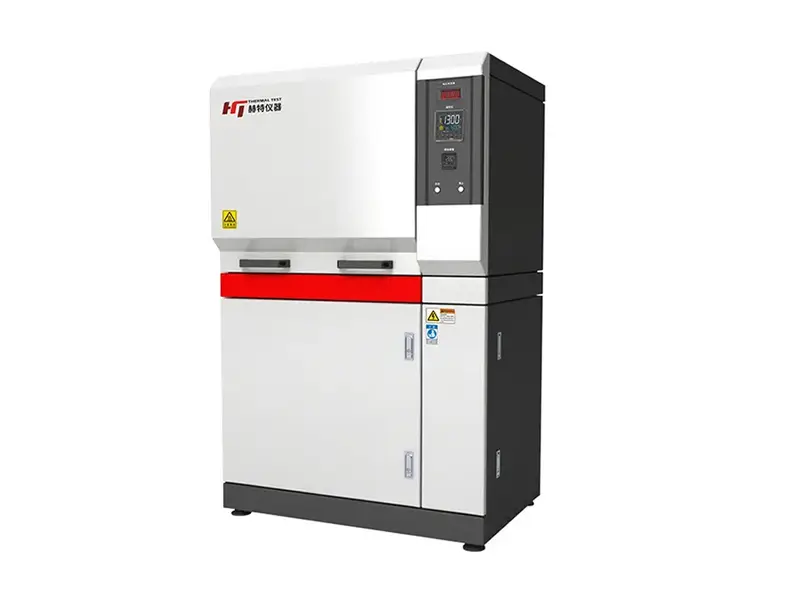
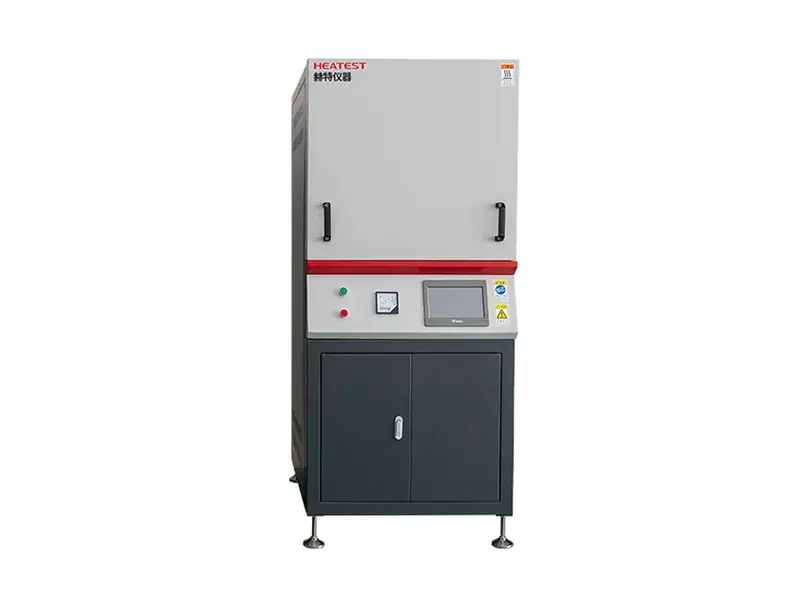
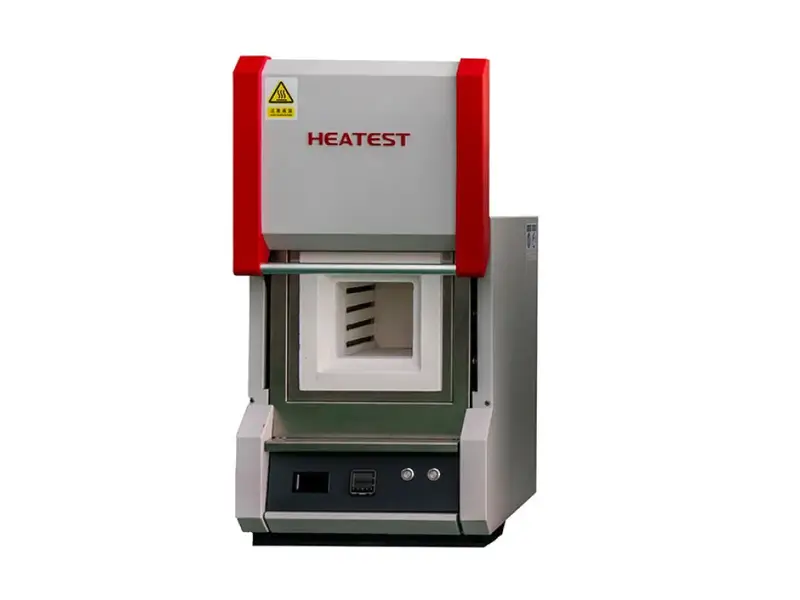
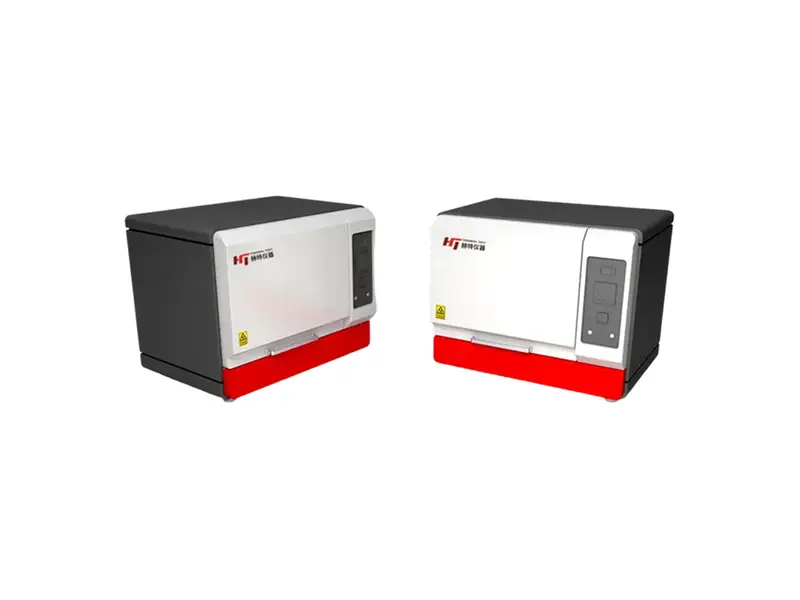
Premium Laboratory Furnaces by HEATEST

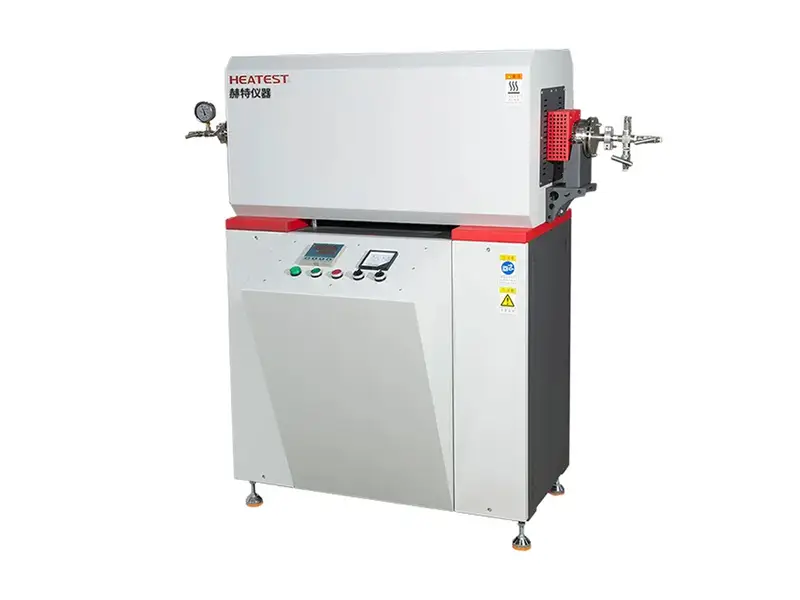
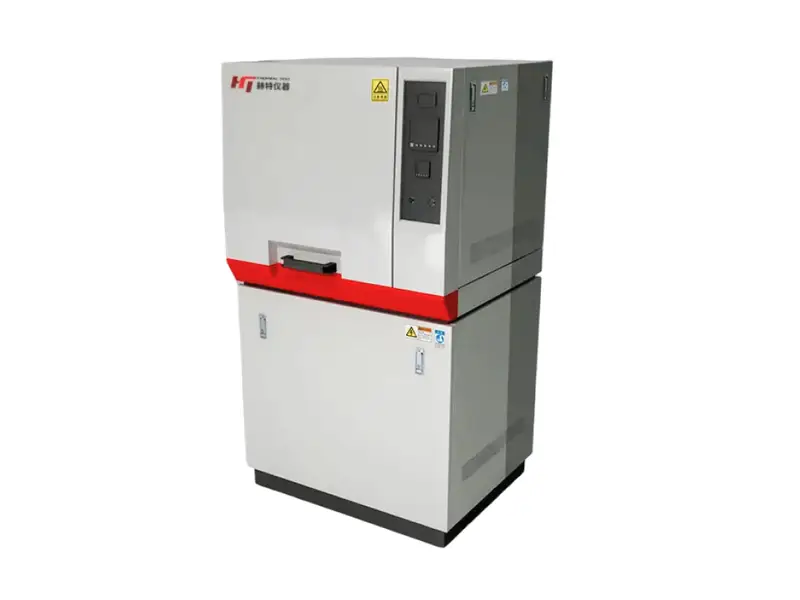
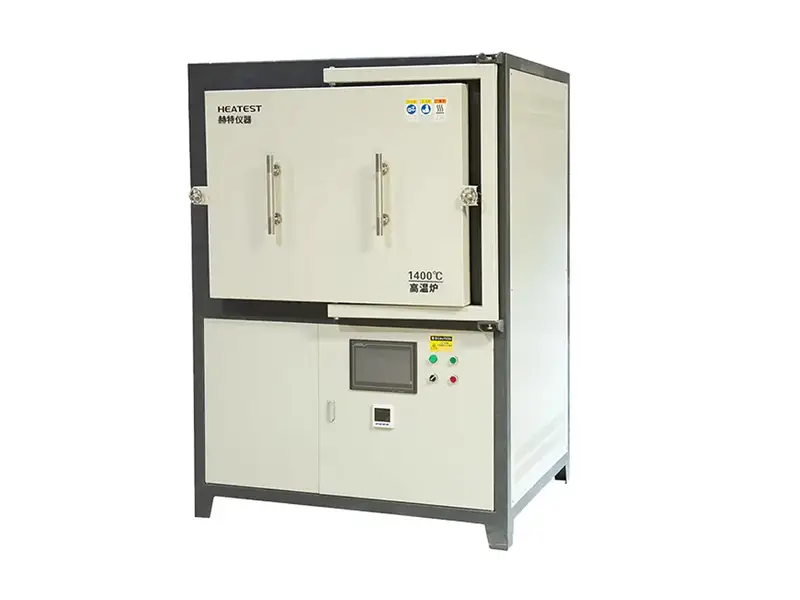
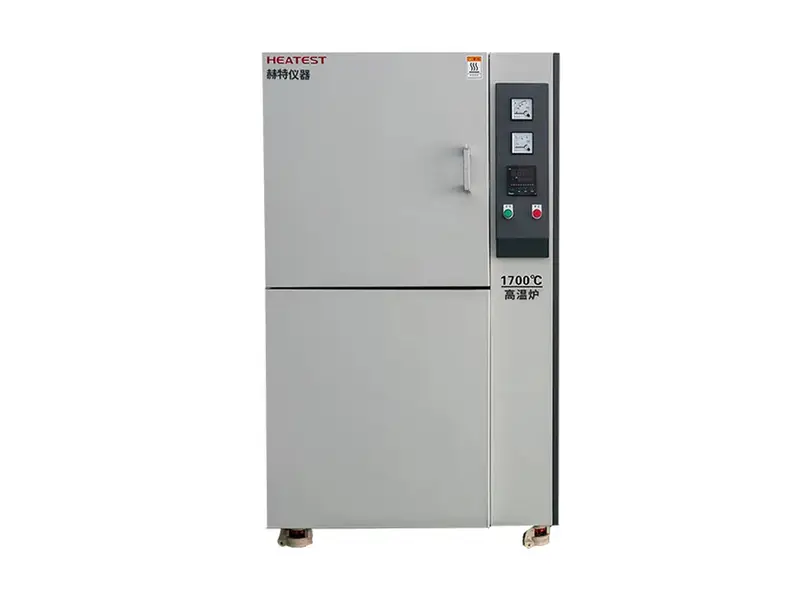
HEATEST offers a comprehensive range of laboratory furnaces designed for high-temperature processing, sintering, ashing, and heat treatment. Our products combine precision engineering with user-friendly controls to meet the demands of modern laboratories.

Our Products

Our Laboratory Furnace Product Portfolio

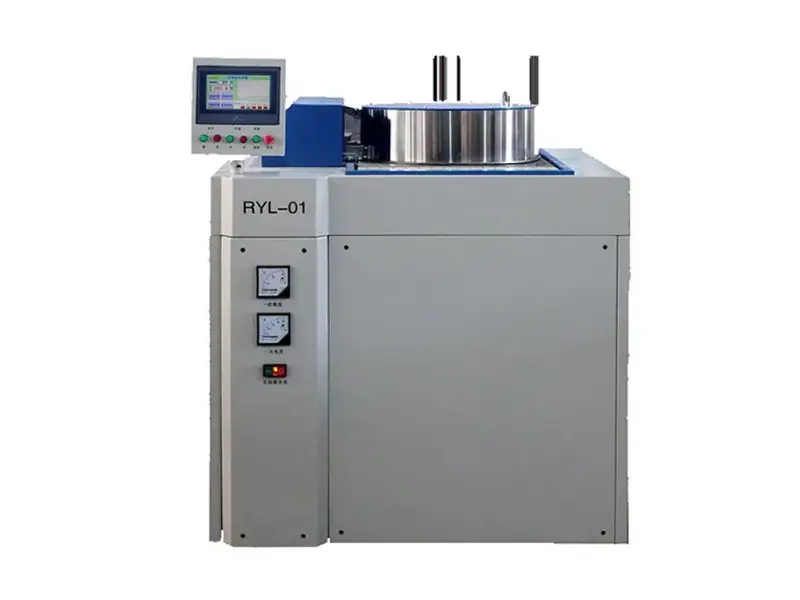
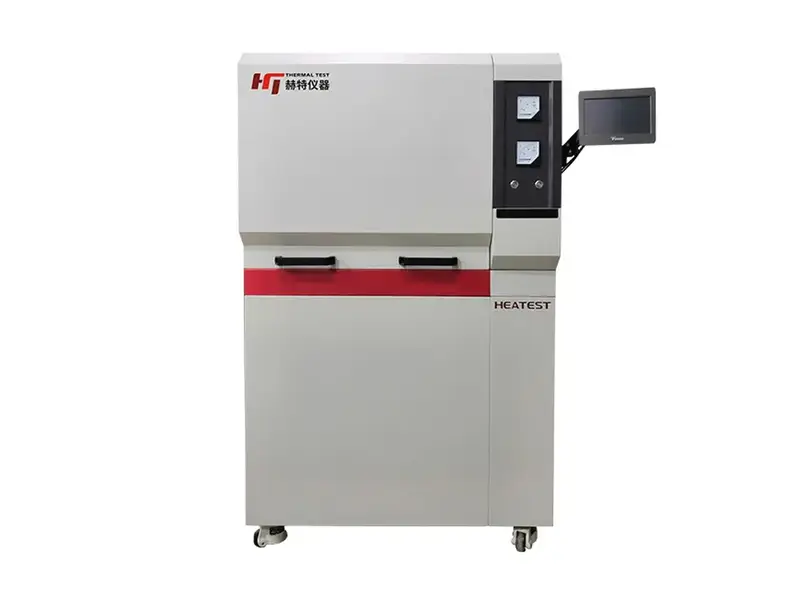
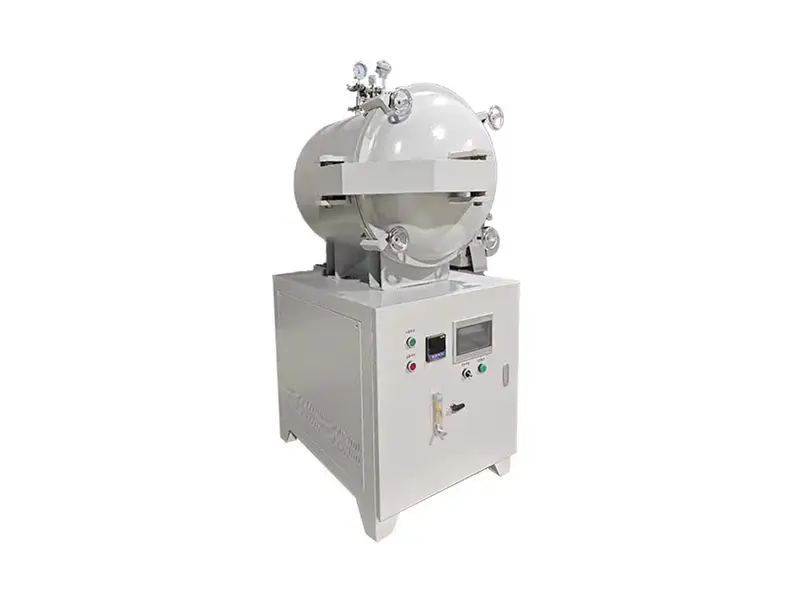
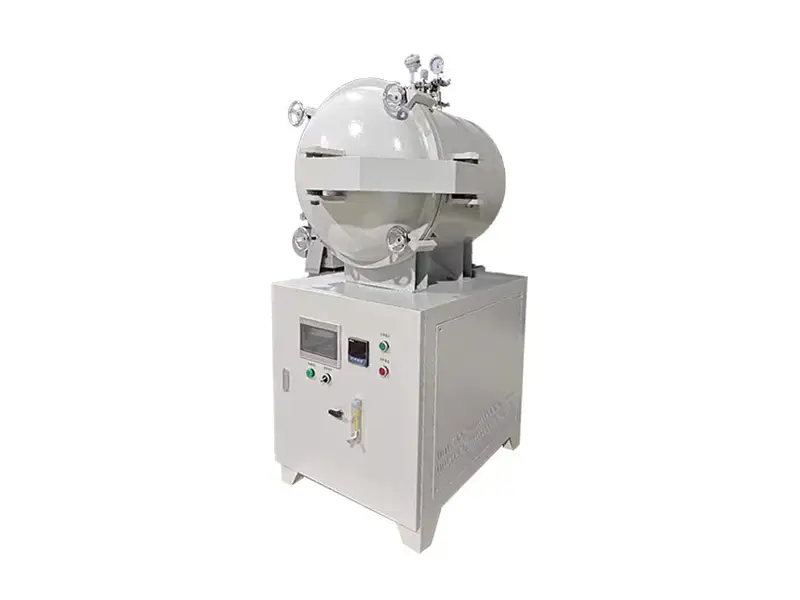
Browse our selection of laboratory furnaces, from compact benchtop models to large-capacity industrial units. Each furnace is engineered to deliver consistent temperature profiles, energy efficiency, and long service life.
banner-product-Laboratory Furnace-applicationBG_1
Applications

Applications of Laboratory Furnaces

Laboratory furnaces are essential tools in various scientific and industrial fields. Here are the primary areas where our furnaces excel.
01

Material Research and Development

Laboratory furnaces help researchers study material behavior at high temperatures, including phase changes, thermal stability, and microstructural development. These insights support the creation of advanced metals, ceramics, and composite materials.
02

Metal Heat Treatment

Engineers use laboratory furnaces for annealing, hardening, tempering, and stress relieving. These processes improve material strength, hardness, and overall performance before large-scale production.
03

Ceramic Processing

Laboratory furnaces enable the sintering and testing of ceramic materials. Controlled firing conditions help improve density, strength, and thermal resistance in technical ceramics.
04

Ash Content and Loss-on-Ignition Testing

Industries use laboratory furnaces to determine ash content and organic matter levels in materials. This application is common in food, pharmaceutical, agricultural, and environmental testing.
05

Chemical Analysis

Laboratory furnaces support sample preparation, thermal decomposition studies, and catalyst evaluation. Consistent heating improves the accuracy and reliability of analytical results.
06

Semiconductor Manufacturing

Electronic and semiconductor manufacturers use laboratory furnaces for wafer annealing, oxidation testing, and material processing, where precise temperature control is critical.
07

Glass and Specialty Material Development

Researchers use laboratory furnaces to develop new glass formulations, glass-ceramics, and advanced materials while optimizing thermal processing conditions.
08

Powder Metallurgy

Laboratory furnaces are used for metal powder sintering and process development. Controlled heating helps produce high-density components with improved mechanical properties.
09

Environmental and Geological Testing

Environmental and geological laboratories use furnaces to analyze soils, minerals, rocks, and waste materials, supporting research and regulatory compliance.
10

Aerospace and Automotive Testing

Laboratory furnaces help evaluate material performance under extreme temperatures, including thermal aging, oxidation resistance, and coating durability.
How To Choose

Key Factors When Choosing a Laboratory Furnace

Selecting the right laboratory furnace requires careful evaluation of your specific heating needs. Consider these essential criteria to make an informed decision.

The maximum operating temperature is one of the most critical parameters in furnace selection. It is generally recommended to choose a furnace with a maximum temperature rating 50–100°C higher than your actual process requirement. This safety margin helps prevent long-term thermal stress on heating elements and insulation materials, thereby extending equipment lifespan and improving stability during continuous operation.

For most laboratory and industrial testing applications, temperature consistency across the heating chamber directly impacts result accuracy. A high-quality laboratory furnace should maintain a temperature uniformity of within ±5°C across the working zone under stable conditions.
Poor uniformity may lead to inconsistent material properties, especially in applications such as sintering, annealing, and heat treatment of precision components.

Chamber dimensions should be selected based on both sample size and expected throughput. An undersized chamber may limit production efficiency, while an oversized chamber can lead to unnecessary energy consumption.
It is also important to consider sufficient internal space for proper air circulation, particularly in convection or box-type furnaces, as airflow distribution significantly affects heating performance.

The type of heating element determines the furnace’s maximum operating temperature and application range:

Kanthal (FeCrAl alloy) heating elements are commonly used for temperatures up to approximately 1300°C, suitable for general laboratory and industrial heat treatment processes.
Molybdenum Disilicide (MoSi₂) elements support higher temperatures, typically up to 1700°C, and are ideal for advanced ceramic processing and high-temperature sintering applications.
Choosing the correct element type ensures both efficiency and durability under specific operating conditions.

Modern laboratory furnaces should be equipped with advanced digital control systems. A programmable PID controller allows precise temperature regulation, reducing fluctuations and improving repeatability.

Key control functions to look for include:

Multi-stage temperature ramping
Soak/hold programming
Temperature profiling for complex thermal cycles
These features are especially important for research environments and quality-controlled production processes.

Safety is a fundamental requirement in any thermal processing equipment. A reliable laboratory furnace should include multiple protection mechanisms, such as:

Over-temperature protection and automatic shut-off
Door interlock system to prevent accidental exposure
Dual thermocouple monitoring for redundancy
External temperature sensors for real-time safety validation
These features help minimize operational risks and protect both users and equipment.

Certain applications require controlled atmospheres, such as inert gas (argon, nitrogen) or reactive gas environments. In such cases, the furnace must be designed with proper sealing systems and gas inlet/outlet control.
Atmosphere furnaces are widely used in advanced materials research, powder metallurgy, and semiconductor processing where oxidation must be strictly controlled.

Before installation, it is essential to confirm electrical compatibility, including:

Voltage (single-phase or three-phase)
Current load and power rating
Facility wiring and circuit protection requirements
High-temperature or large-capacity furnaces may require dedicated electrical infrastructure to ensure stable and safe operation.

Technological advantages

Why HEATEST Laboratory Furnaces Stand Out

HEATEST integrates state-of-the-art technology and rigorous quality control to deliver furnaces that exceed expectations. Here are the technical advantages that set us apart.

Advanced PID controller with adaptive tuning delivers ±1°C accuracy and excellent stability.

Multi-layer ceramic fiber insulation reduces heat loss by up to 30%, lowering energy costs.

High-grade heating elements from Kanthal and MoSi2 ensure long service life and fast heat-up

Double-shell construction keeps exterior temperature safe to touch (<45°C at max internal temp)

Touchscreen interface with intuitive navigation and USB data logging for process traceability

Modular design allows easy replacement of heating elements and thermocouples without dismantling the whole unit

CE and ISO 9001 certified, meeting international quality and safety standards

Remote monitoring capability via optional Wi-Fi module for continuous process oversight.

WHY CHOOSE US

Why Choose HEATEST for Your Laboratory Furnace Needs?

With years of experience and a commitment to innovation, HEATEST is a trusted provider of laboratory furnaces worldwide. Learn what makes us the preferred choice.

Since its founding, HEATEST has been dedicated to manufacturing high-quality thermal processing equipment for laboratories worldwide. Our factory, equipped with advanced CNC machinery and precision welding stations, produces over 500 furnaces annually, each undergoing rigorous quality checks including temperature calibration, uniformity testing, and safety validation.

We take pride in our customer-centric approach: every furnace comes with a comprehensive manual, installation guide, and one-year warranty with optional extended coverage. Our support team provides technical assistance via phone, email, or remote access, ensuring minimal downtime.

Moreover, HEATEST offers tailored solutions for unique requirements, such as custom chamber sizes, multiple heating zones, or specialized atmosphere control. This flexibility, combined with competitive pricing and fast delivery (standard models ship within 5-7 days), makes us a preferred partner for universities, research institutes, and industrial R&D centers.

Our certifications (CE, ISO 9001) and compliance with international safety standards (EN 61010, NACH) guarantee that our furnaces are safe and reliable. Thousands of satisfied customers across Europe, Asia, and the Americas attest to our quality and service.

CTAbg
24/7 Global Support

Let's build something
great together.

Create more value with our high-quality manufacturing and global export services. Get your free quote today.

FAQ

How can we help you?

A laboratory furnace is used for controlled high-temperature processes such as heat treatment, annealing, sintering, ashing, and material testing. It is widely applied in materials science, metallurgy, ceramics, chemical analysis, and quality control laboratories.
Different furnace types support different processes, but the core purpose remains the same: providing a stable and repeatable high-temperature environment for experiments and small-scale production.

Most laboratory furnaces operate within a range of 300°C to 1700°C, depending on the heating element and insulation design.

General laboratory furnaces: up to ~1100–1300°C
High-temperature models: up to ~1600–1700°C
The required temperature range should always be selected based on the specific thermal process, with an additional safety margin for long-term reliability.

The selection depends on several key factors:

Required maximum temperature and process type
Chamber size and sample volume
Temperature uniformity requirements
Atmosphere conditions (air, inert gas, or vacuum)
Heating element type and durability
Control system precision and programmability
For consistent results, temperature uniformity and control accuracy are often just as important as maximum temperature.

Temperature uniformity refers to how evenly heat is distributed inside the furnace chamber. It is typically expressed as a deviation value (e.g., ±5°C).

Good uniformity ensures that all samples experience the same thermal conditions, which is critical for:

Repeatable experimental results
Accurate material property testing
Consistent product quality in heat treatment processes
Poor uniformity can lead to inconsistent or unreliable outcomes.

The most common heating elements include:

Kanthal (FeCrAl alloy): Suitable for up to ~1300°C, widely used for general applications
MoSi₂ (Molybdenum Disilicide): Suitable for high temperatures up to ~1700°C, ideal for advanced ceramics and sintering
The choice depends on required operating temperature, oxidation resistance, and service life expectations.

A modern laboratory furnace should use a digital PID temperature controller with programmable functions.

Recommended features include:

Multi-step heating and cooling profiles
Ramp and soak programming
High precision temperature feedback
Data recording or digital interface options
These features improve process repeatability and reduce operator error.

Essential safety features include:

Over-temperature protection system
Door interlock to prevent accidental exposure
Fault alarm and automatic shutdown
Dual thermocouple monitoring (for redundancy)
External temperature monitoring for added safety
These systems are critical for protecting both users and equipment during high-temperature operation.

No results found

We couldn't find anything matching "".

“favicon"

Partner Support

Service First