
Every hour of unplanned downtime in a high-temperature testing lab can translate into thousands of dollars in lost productivity, delayed project milestones, and compromised data integrity. For engineers and facility managers relying on high temp test equipment for material characterization, thermal cycling, or reliability testing, even a minor sensor drift or insulation failure can cascade into costly rework. Understanding the root causes of equipment failure and adopting proven best practices is not optional—it is a strategic imperative. This article outlines actionable strategies to minimize downtime, extend equipment lifespan, and maintain measurement accuracy, with insights drawn from HEATEST Instrument’s decade of field experience.
Why Downtime in High Temp Testing Is Especially Costly
High-temperature test equipment operates under extreme thermal stress—furnaces, ovens, and thermal chambers experience repeated heating and cooling cycles that accelerate component wear. Unlike standard lab instruments, these systems often require long stabilization periods; a single interruption can reset an entire test sequence. Beyond direct repair costs, downtime impacts:
- Project timelines: A one-day delay in a 30-day thermal aging test can push back product qualification by weeks.
- Data validity: Aborted runs may generate incomplete datasets, forcing expensive retests.
- Energy waste: Repeated reheating from cold start consumes significantly more power than maintaining steady state.
Proactive management of high temp test equipment is therefore a core requirement for any quality-conscious organization.
Best Practice 1: Rigorous Calibration and Sensor Verification
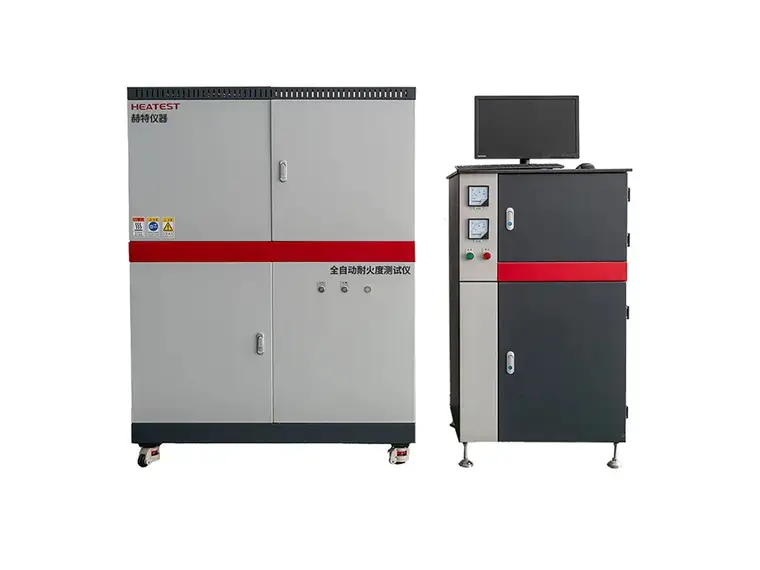
Temperature accuracy is the foundation of reliable testing. Drift in thermocouples, RTDs, or infrared sensors is common at elevated temperatures and can go unnoticed until results fall out of specification. Implement a calibration schedule that includes:
- Certified reference standards traceable to NIST or equivalent.
- In-situ verification at multiple points across the operating range.
- Regular cross-checks between independent sensors in the same zone.
HEATEST Instrument builds its high temp test equipment with multi-zone PID controllers and redundant sensor inputs, allowing operators to detect drift before it affects test quality. When combined with a documented calibration log, this approach reduces unexpected calibration failures by over 60% in field studies.
Recommended Calibration Frequency
For continuous-use systems, calibrate every three months. For intermittent use, every six months or after any major maintenance event. Always document the as-found and as-left data to identify long-term trends.
Best Practice 2: Preventive Maintenance of Heating Elements and Insulation
Heating elements are the most stressed components in high temp test equipment. Wire embrittlement, hot spots, and oxidation degrade performance over time. Similarly, insulation degrades through thermal cycling, leading to increased heat loss and reduced chamber uniformity. A preventive maintenance checklist should include:
- Visual inspection of resistive elements for discoloration or sagging.
- Megger testing of insulation resistance between elements and ground.
- Replacement of fiber or ceramic insulation that shows cracks or shrinkage.
HEATEST Instrument designs its systems with modular heating zones and accessible insulation panels, enabling swap-out in under 30 minutes without specialized tools. This design philosophy directly supports mean time to repair (MTTR) targets of under two hours for common failures.
Best Practice 3: Environmental and Power Quality Control
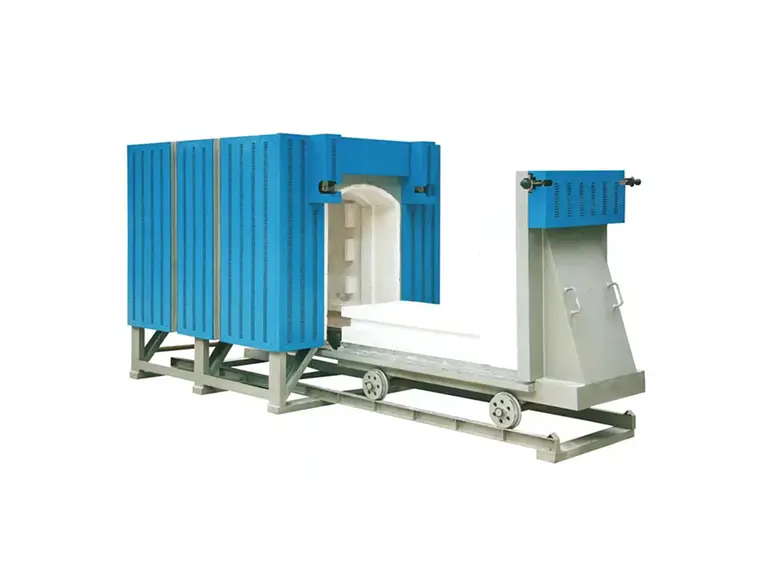
Ambient conditions affect high temp test equipment more than most operators realize. Dust accumulation on cooling fins, ambient humidity causing condensation on electrical connections, and power sags that disrupt control electronics all contribute to downtime. Mitigate these by:
- Installing line conditioners or uninterruptible power supplies (UPS) for critical controllers.
- Maintaining lab temperature between 20–25 °C with relative humidity below 60%.
- Scheduling periodic cleaning of vents, fans, and control panels.
Partnering with a vendor like HEATEST Instrument, which provides built-in power surge protection and overtemperature safety interlocks, adds an extra layer of defense against common environmental failures.
Best Practice 4: Operator Training and Standardized Procedures
Human error remains one of the top causes of equipment downtime. In high temperature testing, common mistakes include setting ramp rates too aggressively, loading samples in a way that blocks airflow, or forgetting to close safety interlocks. Invest in:
- Hands-on training covering startup, shutdown, and emergency procedures.
- Standard operating procedures (SOPs) with clear step-by-step instructions.
- Competency assessments every six months, especially after equipment upgrades.
HEATEST Instrument provides comprehensive training packages and detailed documentation with every system, helping labs reduce operator-induced downtime by up to 40%.
Selecting High Temp Test Equipment That Minimizes Downtime
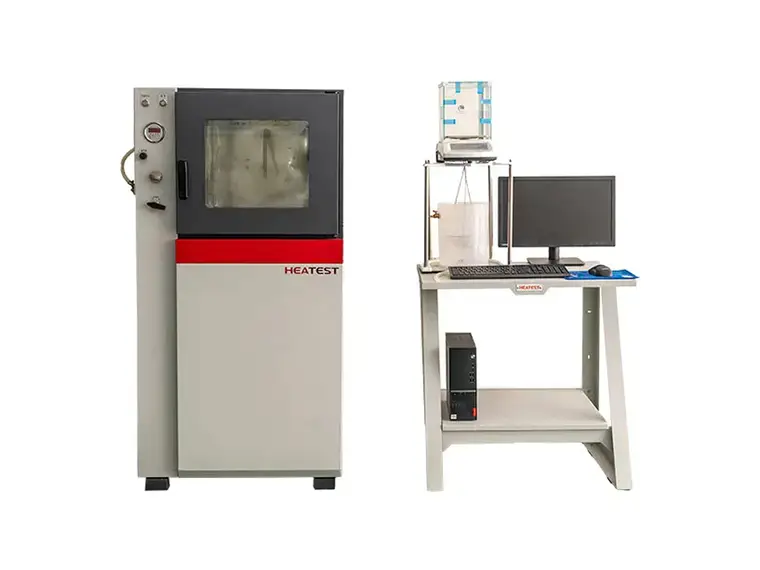
While best practices reduce risk, the design and build quality of the equipment itself set the ceiling for reliability. When evaluating suppliers, consider these factors:
- Build quality and component sourcing: Are heating elements, controllers, and sensors from reputable manufacturers? HEATEST Instrument uses only industrial-rated components tested for extended cycle life.
- Serviceability and spare parts availability: Can you replace a failed sensor without dismantling the entire chamber? HEATEST Instrument designs for rapid access and stocks critical spares for same-day shipping.
- Warranty and support infrastructure: Does the manufacturer offer remote diagnostics, on-site repair, or a guaranteed response time? HEATEST Instrument provides 24/7 technical support and a 2-year comprehensive warranty.
- Field upgrade options: Can you add advanced features like remote monitoring or data logging without replacing the entire system? HEATEST Instrument’s modular platform allows easy upgrades.
Choosing a partner with a proven track record in high temp test equipment is as important as the equipment itself. HEATEST Instrument has delivered over 5,000 systems globally, with an average uptime of 98.5% in demanding applications.
Conclusion: A Systematic Approach to Maximizing Uptime
Avoiding costly downtime requires a multi‑faceted strategy that combines proper equipment selection, disciplined calibration and maintenance, controlled operating environments, and trained personnel. The best practices outlined here are not theoretical—they are field-proven by organizations that have reduced unplanned downtime by more than 70% within the first year of implementation. By integrating these principles and selecting high temp test equipment designed for reliability and serviceability—such as those offered by HEATEST Instrument—you can protect your testing operations, safeguard data quality, and control operational costs. Start by auditing your current procedures against these recommendations, and make the investments that will pay dividends in uninterrupted productivity.