
High temperature test chambers are essential tools for evaluating product reliability under extreme heat. Yet even the most robust chamber can encounter issues such as temperature overshoot, compressor failure, or door seal leakage. These malfunctions not only compromise test accuracy but also cause costly downtime. Understanding the root causes and knowing how to resolve them quickly is critical for any quality or reliability engineer. This article outlines the most frequent high temp test chamber problems and provides actionable solutions. Whether you operate a single unit or manage a fleet, the insights below—shared with input from HEATEST Instrument—will help you maintain peak performance and extend equipment life.
1. Temperature Inconsistency and Overshoot
One of the top complaints from users is that the chamber fails to maintain a stable setpoint or overshoots significantly during transitions. This problem can distort test results and invalidate entire batches.
Root Causes of Temperature Fluctuation
- Faulty sensors: Thermocouples or RTDs can drift over time, sending incorrect readings to the controller.
- Improper PID tuning: The controller's proportional–integral–derivative parameters may be too aggressive or too slow for the chamber's thermal mass.
- Air circulation blockages: Dirty or damaged fans hinder uniform airflow, creating hot spots.
- Heater relay failure: A stuck or failing relay can deliver full power unexpectedly, causing large overshoot.
Practical Solutions
- Calibrate sensors annually against a certified reference. Many problems are traced back to a 2–5°C offset that accumulates over months.
- Auto-tune the PID loop after any hardware change or cleaning. Modern controllers from HEATEST Instrument include one-touch auto-tuning that recalculates optimal values in minutes.
- Clean air ducts and blower wheels every 100 operating hours. Use compressed air to remove dust that restricts airflow.
- Inspect heater contactors for burn marks or welding. Replace any relay that shows signs of arcing.
2. Compressor or Refrigeration System Malfunctions
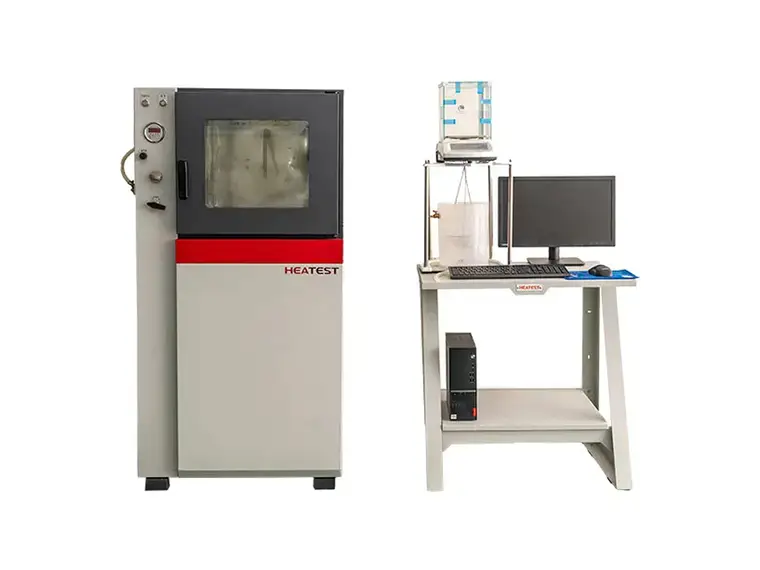
High temp chambers often incorporate refrigeration for rapid ramp-down or dual-stage thermal cycling. Compressor issues are common and can halt all testing.
Symptoms and Causes
- Chamber won’t cool below ambient: Often due to refrigerant loss from a slow leak in joints or valves.
- Excessive vibration or noise: Worn compressor mounts or internal mechanical failure.
- High head pressure alarms: Dirty condenser coils, insufficient airflow, or overcharged refrigerant.
- Compressor short-cycling: Faulty pressure switches or a low refrigerant charge.
Troubleshooting Steps
- Check the condenser coils for debris. A layer of lint or dust can raise discharge pressure significantly.
- Verify refrigerant sight glass for bubbles. Persistent bubbles indicate a leak that must be located with an electronic detector.
- Test start capacitor and relay – a weak capacitor reduces starting torque and causes repeated tripping.
- If a recharge is needed, always repair the leak first. A simple top-up may solve the immediate problem but will fail again quickly.
For critical systems, HEATEST Instrument recommends a preventive maintenance contract that includes semi-annual compressor analysis, leak checks, and coil cleaning. Their technicians use pressure/temperature charts to diagnose subtle inefficiencies before they lead to breakdowns.
3. Door Seal Leakage and Heat Loss
A compromised door seal is a leading cause of temperature drift and energy waste. Even a small gap can let heat escape, forcing the heater to run longer and reducing uniformity.
Why Seals Fail
- Thermal aging: Silicone or rubber gaskets exposed to repeated high heat become brittle and lose elasticity.
- Compression set: Over time the seal stops recovering its original shape after the door is closed.
- Foreign debris: Fine particles or test specimen fragments embed in the gasket surface, creating micro-leaks.
Maintenance and Replacement
- Perform the “paper test”: close the door on a strip of paper every 3 months. If it slides out easily, the seal is too loose.
- Clean seals with mild detergent and water; avoid petroleum-based products that degrade the material.
- Replace seals that show cracks or permanent flattening. HEATEST Instrument offers pre-measured replacement kits with high-temperature-resistant silicone that withstands 300°C continuous use.
4. Controller Display Errors or Sensor Drift
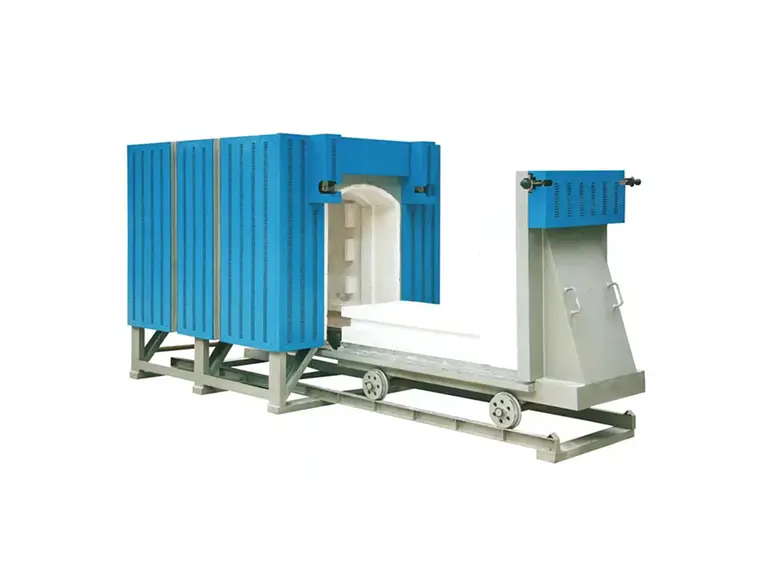
Digital controllers are the brain of the chamber. Erratic readings, frozen screens, or unresponsive buttons can stop a test mid-run.
Calibration Checks
- Compare display temperature to an independent calibrated thermocouple placed in the center of the chamber. A deviation >±0.5°C should trigger recalibration.
- Check input wiring: Loose or corroded terminals at the controller board can cause intermittent readings. Tighten all screw connections and reseat ribbon cables.
- Reset the controller by cycling power after a 2-minute wait. Many transient glitches clear with a hard reset.
When to Contact a Professional
If the controller still shows error codes after resetting and verifying wiring, the mainboard may need replacement. HEATEST Instrument stocks compatible controllers for most major brands and can ship a plug‑and‑play unit within 24 hours. Their remote diagnostic service can often identify a faulty I/O module without a site visit.
5. Preventing Future Failures: Best Practices
While troubleshooting specific problems is necessary, the most cost‑effective approach is proactive prevention. Implement these practices to reduce downtime.
- Log temperature profiles weekly with a data logger to spot drift early.
- Train operators on correct programming: many over-temp trips are caused by unrealistic ramp rates that exceed heater capacity.
- Schedule annual professional calibration including sensor verification, PID check, and safety limit test.
- Keep spare parts on hand: a heating element, a fan motor, and a door seal kit can avoid weeks of waiting.
HEATEST Instrument designs chambers with modular accessibility in mind, allowing users to replace common wear components in under 30 minutes. Their technical support team also provides a free preventive maintenance checklist tailored to your chamber model.
Summary
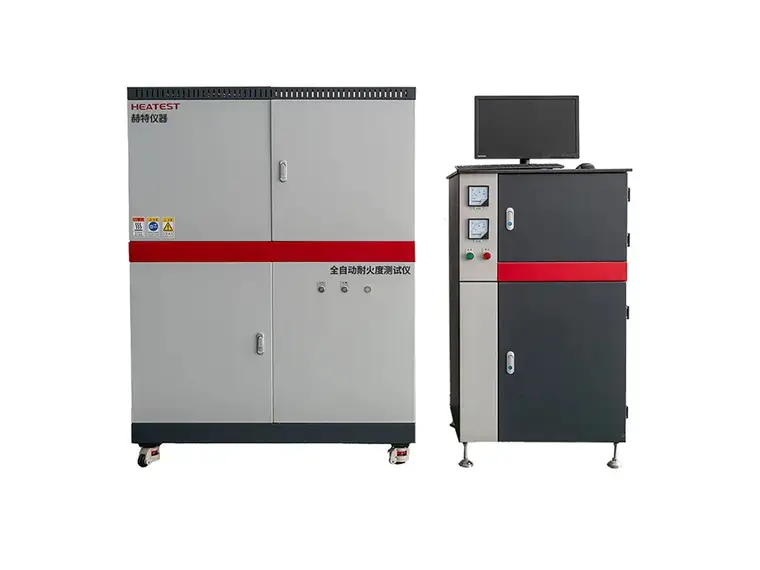
High temp test chamber problems are predictable and solvable. Temperature inconsistency often requires sensor recalibration and PID tuning. Compressor failures demand careful leak detection and regular coil cleaning. Door seals and controller errors can be managed with routine inspections and prompt replacement. By adopting a systematic preventive maintenance program and partnering with a reliable supplier like HEATEST Instrument, test facilities can maintain high accuracy, reduce unplanned outages, and maximize the return on their chamber investment. Remember: the cost of prevention is far lower than the cost of a failed test protocol.