
Selecting the right high temperature test chamber is a critical decision for quality assurance, R&D, and production validation. The choice between a portable unit and a benchtop system often hinges on specific testing requirements, available workspace, and mobility needs. Both configurations offer reliable temperature control for thermal stress testing, but they serve distinctly different operational contexts. HEATEST Instrument provides engineering-grade solutions in both form factors, and understanding their comparative strengths ensures you invest in equipment that aligns precisely with your workflow.
Understanding the Basics: Portable vs Benchtop High Temp Test Chambers
Portable high temp test chambers are compact, lightweight units designed for on-site testing or situations where lab space is limited. They typically feature handles, casters, or mounting brackets, allowing technicians to move them between workstations or even to field locations. Benchtop chambers, by contrast, are stationary units intended to sit on a laboratory bench or table. They offer larger internal volumes, more robust insulation, and often wider temperature ranges. While both can achieve temperatures from ambient up to 300°C or higher (depending on model), the engineering trade-offs center on portability versus capacity.
Key Construction Differences
Portable chambers use lighter materials such as aluminum or thin-gauge stainless steel to reduce weight, which may slightly limit maximum temperature uniformity. Benchtop chambers employ heavier gauge steel with thicker insulation layers, providing superior thermal stability across the entire test volume. The control electronics in benchtop units also tend to be more sophisticated, offering ramping profiles, multi-segment programming, and higher precision sensors.
Comparative Analysis: Strengths and Limitations
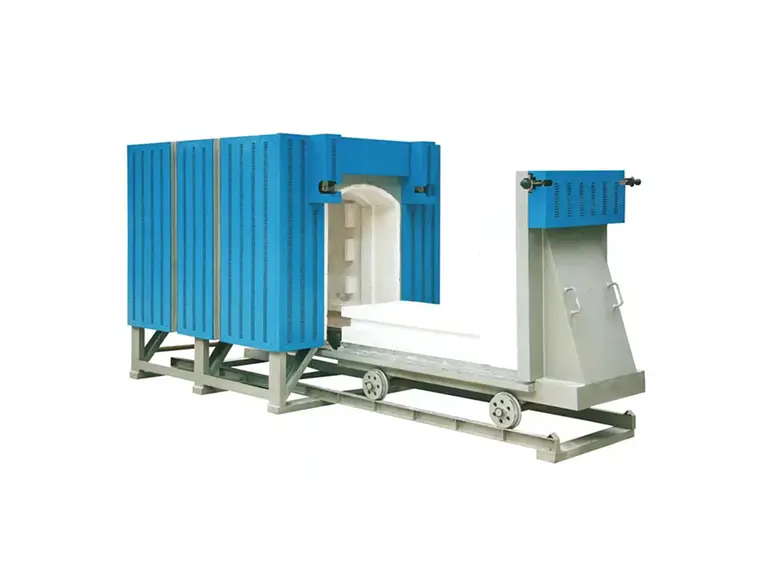
The decision matrix below outlines the primary advantages and drawbacks of each chamber type. Use this as a quick reference to match your specific testing environment.
- Portable Chamber Advantages: Lightweight (5-15 kg); easy to reposition; ideal for spot checks or field calibration; lower initial cost; can be stored away when not in use.
- Portable Chamber Limitations: Smaller internal workspace (typically under 30 liters); reduced temperature uniformity at extremes; limited ramp rates; fewer programmable features.
- Benchtop Chamber Advantages: Larger capacity (30-200+ liters); excellent temperature uniformity (±0.5°C or better); faster heat-up and recovery; advanced controllers with data logging; more ports for external sensors.
- Benchtop Chamber Limitations: Heavier (30-80 kg); requires dedicated bench space; higher upfront investment; not intended for frequent relocation.
Performance Metrics at a Glance
When evaluating specifications, pay attention to temperature range, stability, and uniformity over time. Portable chambers often achieve a uniformity of ±2°C across the working volume, while benchtop models from HEATEST Instrument can maintain ±0.3°C. Ramp rates also differ: portable units may heat at 5-8°C/min, whereas benchtop systems can reach 15°C/min or higher, depending on power and insulation.
Application Scenarios: Which Chamber Fits Your Workflow?
Portable high temp test chambers shine in applications where mobility is essential. Examples include:
- On-site verification of temperature sensors or thermocouples during equipment commissioning.
- Production line spot checks where components are tested immediately after manufacturing.
- Field servicing of HVAC, automotive, or aerospace electronics where lab access is unavailable.
Benchtop chambers are the workhorses of controlled-environment laboratories. Typical use cases include:
- Long-duration burn-in testing of PCBs, batteries, or electronic modules.
- Material characterization studies requiring precise thermal cycling profiles.
- Validation of component performance under extreme temperature conditions per industry standards (e.g., MIL-STD, IEC).
Case Example: Choosing for a PCB Testing Lab
A manufacturer prototyping new power modules needs to run 72-hour thermal stress tests at 150°C with a 10°C/min ramp. A benchtop chamber from HEATEST Instrument, such as the HTS-150B, would deliver the necessary uniformity and programming flexibility. In contrast, a field technician performing quick calibration checks on thermocouples across multiple factory floors would benefit from the portable HTS-30P, which can be carried in a hard case and powered from a standard outlet.
Factors to Consider Before Making Your Final Decision
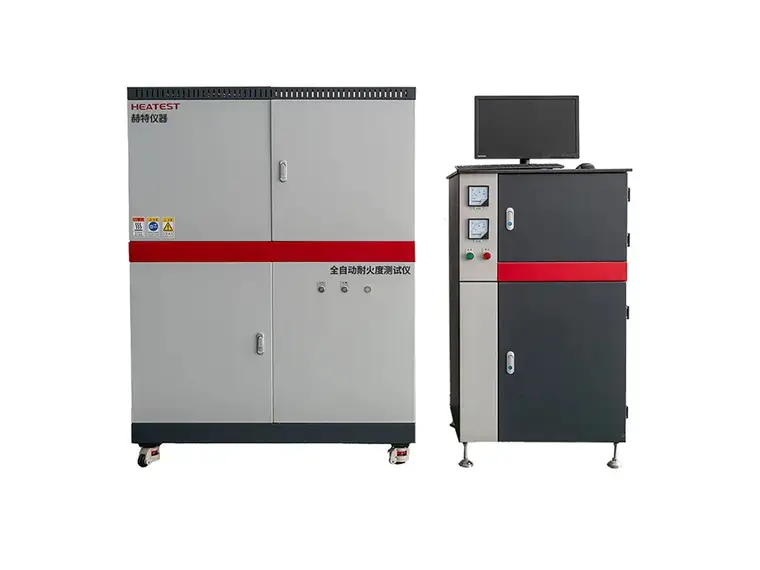
Beyond the obvious trade-off between portability and capacity, evaluate these five criteria:
- Test Volume and Sample Size: Measure the largest specimen you will test. Benchtop chambers offer more flexibility for multiple parts or larger assemblies.
- Temperature Range and Precision: Confirm that the chamber can reliably achieve the maximum temperature you require, with acceptable uniformity for your test standards.
- Control and Data Features: For R&D environments, prioritize programmable controllers, Ethernet connectivity, and data logging. Portable units typically have simpler interfaces.
- Workspace Constraints: Consider bench dimensions, floor load capacity, and whether the chamber needs to be moved between shifts.
- Total Cost of Ownership: Include installation, calibration, and potential downtime. Benchtop chambers generally have higher upfront cost but longer service life and lower per-test variability.
Conclusion: Partnering with HEATEST Instrument for the Right Solution
Neither portable nor benchtop high temp test chambers is universally superior; the optimal choice depends on the balance between mobility, capacity, and performance that your testing protocols demand. HEATEST Instrument offers a comprehensive range of both portable and benchtop models designed for industrial reliability. By analyzing your testing volume, temperature requirements, and operational environment, you can confidently select the chamber that maximizes throughput and accuracy while minimizing unnecessary expenses. For guidance tailored to your specific application, contact HEATEST Instrument's application engineers to discuss a custom configuration or off-the-shelf solution.