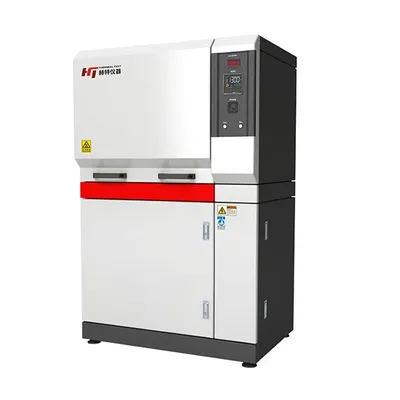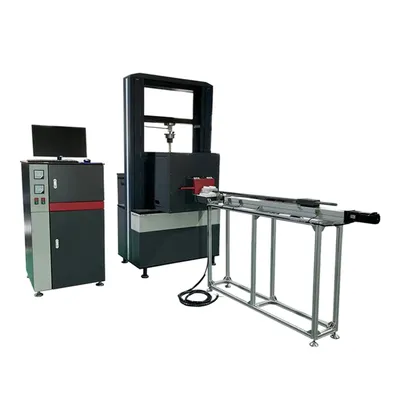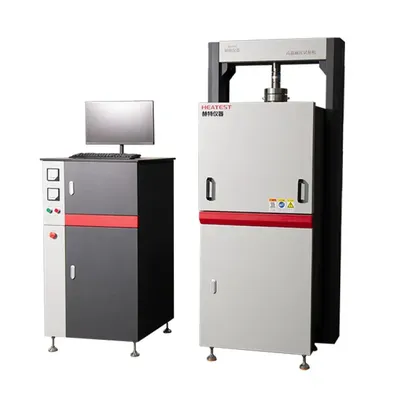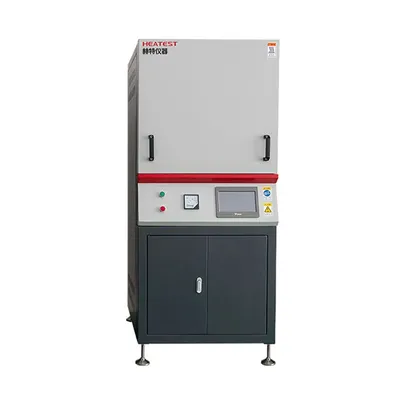
Operating high temperature test equipment such as thermal chambers, industrial ovens, and furnaces requires strict adherence to safety protocols to prevent burns, fires, and equipment damage. For professionals using these tools daily, understanding the potential hazards and implementing proven safety measures is essential. This guide, informed by HEATEST Instrument’s decade-long expertise, covers critical safety practices every operator should follow before, during, and after use.
Understanding the Risks of High Temperature Testing
High temperature test equipment typically operates at temperatures exceeding 200°C, with some models reaching 1600°C. The primary hazards include thermal burns from direct contact, ignition of flammable materials, electric shock from faulty wiring, and exposure to toxic fumes when heating certain substances. Recognizing these risks is the first step toward a safe working environment.
Essential Personal Protective Equipment (PPE)
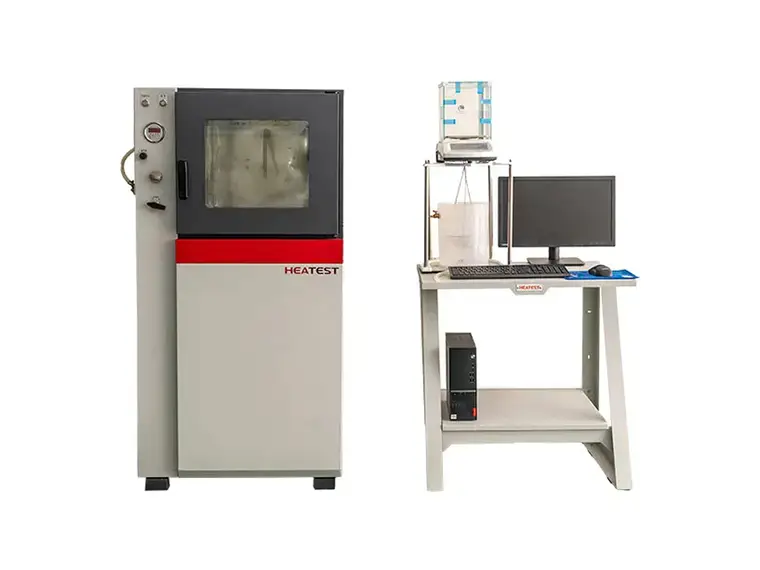
Heat-Resistant Gloves and Clothing
Operators must wear insulated gloves rated for the maximum chamber temperature. HEATEST Instrument recommends using gloves with a minimum temperature rating of 50°C above your operating range. Additionally, long-sleeved, non-synthetic lab coats or aprons protect against radiant heat and accidental splashes.
Eye and Face Protection
Safety goggles with side shields or a full-face shield are mandatory when opening a hot chamber to prevent injury from escaping hot air, steam, or flying debris. For equipment with viewing windows, ensure the glass is certified for high-temperature use.
Pre-Operation Inspection and Setup
Before powering on any unit, perform a thorough check using the following checklist:
- Verify the equipment is placed on a non-flammable, level surface with adequate ventilation.
- Inspect power cords and plugs for fraying or damage. Replace immediately if compromised.
- Check that all safety interlocks and emergency stop buttons function correctly.
- Ensure the chamber interior is free of debris, residual chemicals, or combustible materials.
- Confirm that the temperature controller and thermocouples are calibrated according to the user manual – HEATEST Instrument includes a pre-calibration certificate with every unit.
Safe Operating Procedures During Testing
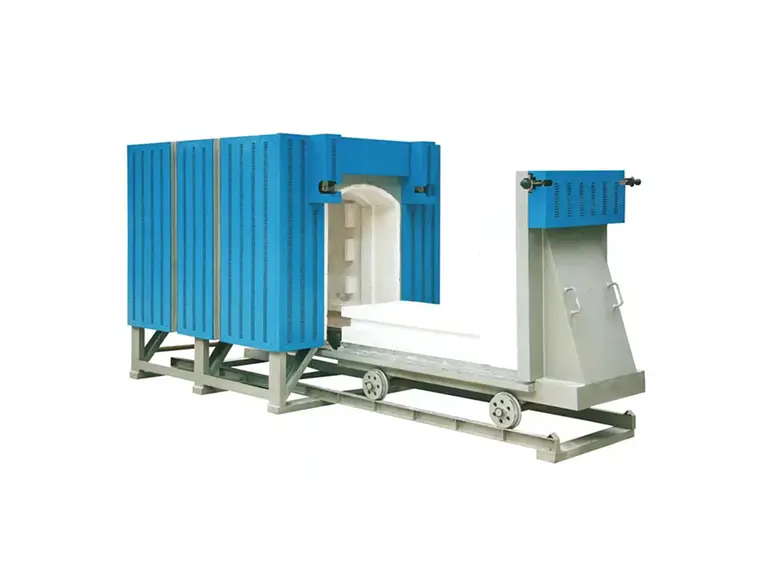
Loading and Unloading Samples
Always use appropriate tongs or handling tools designed for high temperatures. Never open the chamber fully while it is above 100°C; instead, crack the door slightly to equalize pressure and release heat gradually. Never leave a running chamber unattended unless it is equipped with an automatic cutoff and remote monitoring system – HEATEST Instrument’s advanced models feature both.
Monitoring and Temperature Control
Keep the temperature ramp rate within the manufacturer’s recommended limits to avoid thermal shock to both the sample and the equipment. If you notice unusual odors, smoke, or temperature fluctuations, immediately press the emergency stop and consult the troubleshooting guide.
Emergency Response and Fire Prevention
Even with precautions, emergencies can occur. Prepare your lab with the following:
- Place a Class D fire extinguisher (for metal fires) and a Class C extinguisher (for electrical fires) near the equipment.
- Post clear evacuation routes and ensure all operators know the location of the nearest fire alarm and first aid kit.
- In case of a fire inside the chamber, do not open the door – activate the built-in inert gas purge system if available, or cut power and wait for the fire department.
- For burns, immediately flush affected skin with cool running water for at least 10 minutes and seek medical attention.
Post-Operation Shutdown and Maintenance
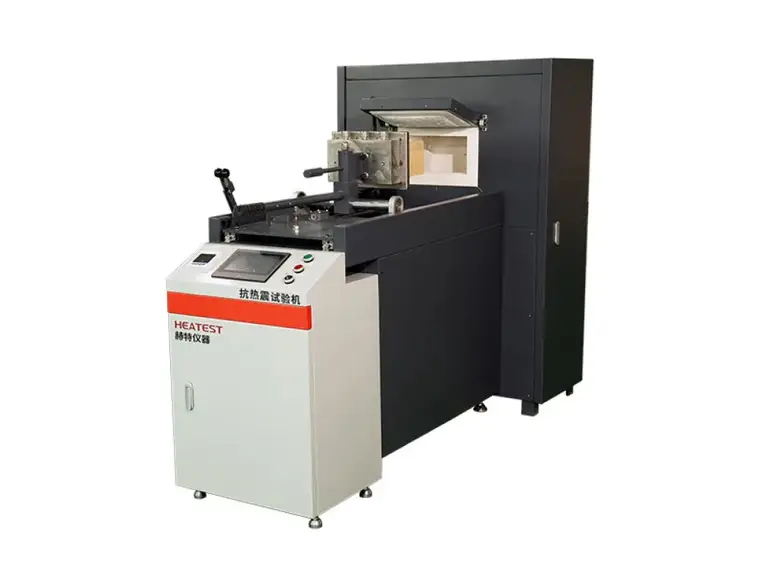
After the test cycle completes, allow the chamber to cool naturally to below 100°C before opening. Use a thermal imager or non-contact thermometer to verify surface temperatures. Clean the interior with a non-abrasive, non-flammable cleaner to remove residues. Schedule quarterly professional maintenance to check seals, heating elements, and control boards – HEATEST Instrument offers service contracts that include this inspection.
Why Choose HEATEST Instrument for Your High Temperature Needs
HEATEST Instrument designs its equipment with operator safety as a priority. Features such as multi-layer insulation, overtemperature protection, automatic shutdown, and ergonomic handles reduce the risk of accidents. By combining robust engineering with clear safety documentation, HEATEST helps you maintain a secure testing environment. Whether you are running thermal cycling tests or material aging studies, following these tips will protect your team and extend the life of your investment.