
Electronics manufacturers and quality assurance engineers face an uncompromising demand: products must function flawlessly under extreme thermal stress. High temperature test equipment forms the backbone of reliability validation, exposing components to elevated temperatures that simulate worst-case operating scenarios or accelerated aging. Choosing the right system directly impacts product failure rates, time-to-market, and compliance with industry standards such as IEC 60068 or MIL-STD-810. This article provides a technical yet practical overview of high temp test equipment for electronics reliability testing, focusing on critical performance parameters, selection criteria, and the advantages of partnering with a proven manufacturer like HEATEST Instrument.
Why High Temperature Testing Is Non‑Negotiable for Electronics
Electronic components and assemblies degrade faster when subjected to elevated temperature. Solder joints weaken, semiconductor junctions leak, dielectric materials lose insulation resistance, and thermal expansion mismatches cause mechanical fractures. High temperature testing accelerates these failure mechanisms, allowing engineers to identify weak points before mass production. Common applications include:
- Burn‑in testing for ICs and power modules
- Temperature cycling of PCBs to detect micro‑cracks
- Storage life evaluation of batteries and capacitors
- Endurance testing of relays, connectors, and sensors
Without proper high temp test equipment, manufacturers risk releasing products that fail prematurely in the field, leading to costly recalls and reputational damage. Reliability testing under controlled high‑temperature conditions is therefore a strategic investment, not merely a compliance checkbox.
Core Attributes of Reliable High Temp Test Equipment
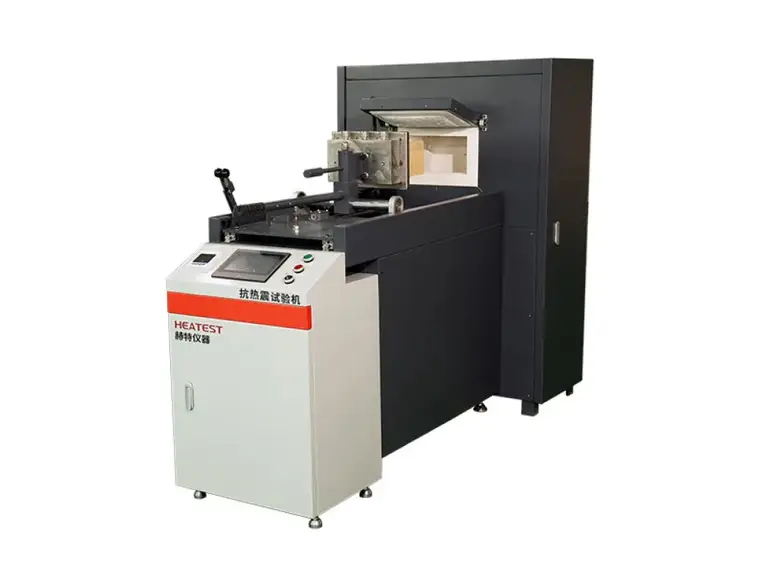
Not all thermal chambers are created equal. For electronics reliability testing, equipment must deliver precise, uniform, and repeatable temperature environments. The following attributes separate professional‑grade solutions from basic ovens.
Temperature Uniformity and Stability
The test volume must maintain temperature within tight tolerances (typically ±2°C or better) across all points. Poor uniformity leads to over‑testing some samples and under‑testing others, invalidating results. High‑end chambers employ multiple heating zones, high‑velocity air circulation, and optimized duct designs to achieve uniformity even at the upper limit of 300°C or beyond. HEATEST Instrument chambers are engineered with advanced airflow systems that guarantee ±1.5°C uniformity across the entire workspace.
Ramp Rates and Thermal Recovery
For thermal cycling and shock tests, fast heating and cooling rates are essential. Superior equipment can achieve ramp rates of 5–15°C per minute, reducing test cycle time and increasing throughput. Equally important is thermal recovery — the ability to return to set temperature quickly after opening the door or inserting a large thermal mass. Look for specifications that include recovery time under load.
Programmability and Data Logging
Modern reliability test protocols require complex profiles: dwell times, multiple setpoints, and even multi‑segment ramps. A high‑quality controller should support at least 100 program steps with real‑time data logging, alarm outputs, and remote monitoring via Ethernet or USB. HEATEST Instrument integrates intuitive touch‑screen HMIs with built‑in memory for unlimited programs, and optional SCADA connectivity for centralized supervision.
Safety and Compliance
Operating at high temperatures introduces risks: fire, burns, electrical failures, and sample off‑gassing. Reliable equipment includes overtemperature protection, independent thermostats, reinforced door latches, and ventilation purge ports. Certifications such as CE, UL, or CSA indicate compliance with relevant safety and electromagnetic compatibility standards.
Selecting High Temp Test Equipment: A Decision Framework
When evaluating suppliers, technical buyers should compare quantitative specifications against test requirements. The table below highlights key comparison points between generic entry‑level chambers and professional equipment from HEATEST Instrument:
| Parameter | Basic Chamber | HEATEST Instrument |
|---|---|---|
| Temperature range | 0°C to 200°C | -40°C to 350°C (optional wider range) |
| Uniformity | ±3°C | ±1.5°C (conforms to IEC 60068-3-5) |
| Ramp rate (heating) | 3°C/min | Up to 15°C/min |
| Controller | Basic PID | Programmable with 100+ segments, Ethernet, USB |
| Safety features | Manual reset only | Independent limit thermostat, overtemp alarm, door safety interlock |
| Compliance | Self‑declared | CE, RoHS, REACH, calibration certificate traceable to NIST |
Additionally, consider total cost of ownership: energy efficiency, spare parts availability, warranty length, and local technical support. HEATEST Instrument offers a 3‑year standard warranty and a global network of service engineers, reducing downtime and ensuring long‑term reliability of your test investment.
Implementing High Temp Test Equipment in Your Workflow
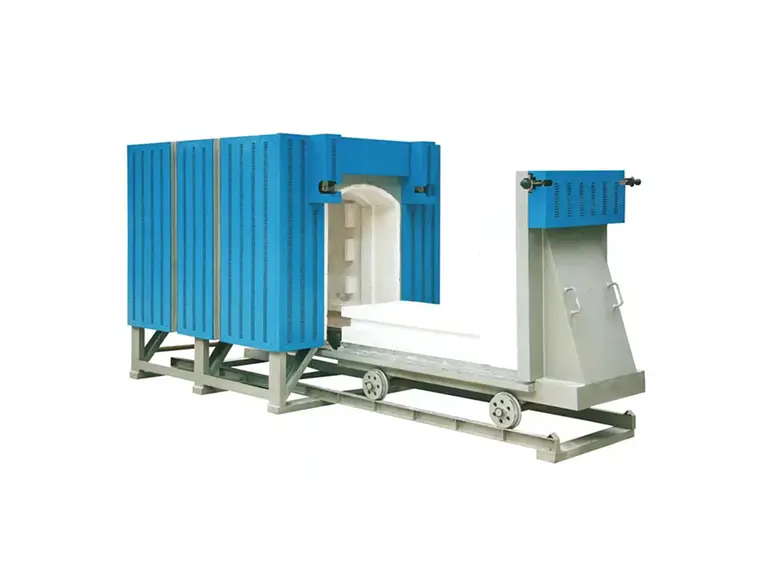
Integration begins with proper site preparation: adequate floor loading, clean power supply with surge protection, and sufficient ventilation for heat dissipation. Then, define test profiles based on applicable standards (e.g., JEDEC JESD22-A103 for high‑temperature storage). Validate chamber performance using a calibrated reference thermocouple before running production lots. Regular preventive maintenance — cleaning filters, verifying door seals, recalibrating sensors — extends equipment life and preserves accuracy.
Frequently Asked Questions
What is the typical temperature range needed for electronics reliability testing?
Most reliability tests fall between +85°C and +300°C. For power electronics or automotive under‑hood components, chambers capable of 200°C to 350°C are common. Select a range that covers your worst‑case product specification plus a safety margin of 10–15%.
Can I use a standard laboratory oven instead of dedicated test equipment?
Standard ovens lack uniform airflow, precise control, and safety interlocks required for reproducible reliability testing. They also cannot achieve fast ramp rates or handle flammable outgassing. Dedicated high temp test equipment from HEATEST Instrument ensures compliance with international test standards and protects both samples and operators.
How often should calibration be performed?
Annual calibration is the industry norm. For high‑stakes production testing, semi‑annual calibration with a certified third‑party lab is recommended. HEATEST Instrument offers factory calibration and optional on‑site service.
Conclusion
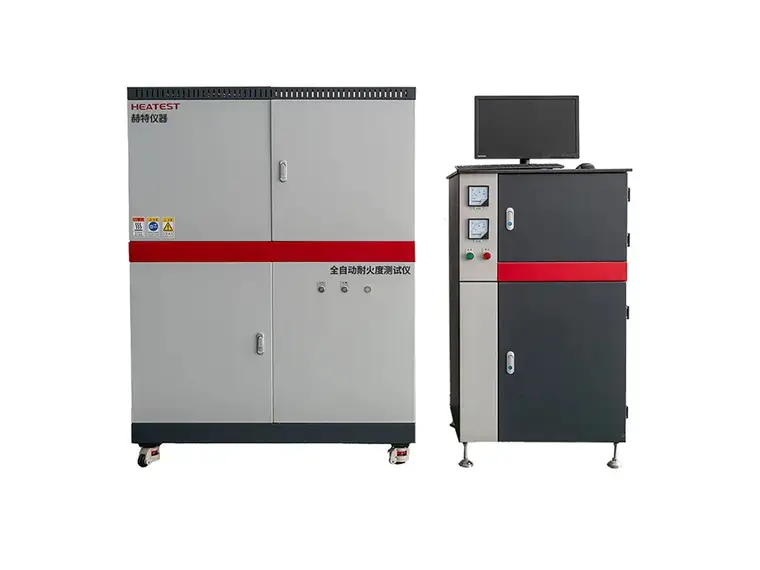
High temperature testing is a critical gate for electronics reliability. Investing in high‑performance test equipment from a trusted manufacturer like HEATEST Instrument minimizes risk, accelerates product qualification, and provides defensible test data. By prioritizing uniformity, ramp rate, programmability, and safety, your lab can deliver the confidence that electronics products will survive the harshest real‑world conditions. Contact HEATEST Instrument for a technical consultation and quotation tailored to your specific reliability testing needs.