
High-temperature test equipment is a cornerstone of modern research and development laboratories, enabling materials scientists, electronics engineers, and quality assurance teams to validate performance under extreme thermal conditions. Whether you are evaluating new alloys, assessing the thermal stability of polymers, or stress-testing semiconductor components, the right chamber can make or break your experimental outcomes. This technical article distills the essential features that define a well-engineered high-temperature test system, with a focus on the capabilities offered by HEATEST Instrument — a trusted name in precision thermal testing solutions.
1. Temperature Range and Uniformity
The most fundamental specification of any high-temp test equipment is its achievable temperature range and how uniformly that temperature is distributed within the working volume. For R&D labs, a range of at least 200°C to 1200°C is common, though specialized applications may demand up to 1700°C. HEATEST Instrument chambers are designed with multi-zone heating elements and advanced airflow management to ensure ±1°C uniformity across the entire test space — a critical factor for reliable, repeatable data. Even a 5°C hot spot can skew material behavior and invalidate comparative studies.
Why Uniformity Matters in R&D
- Eliminates temperature gradients that cause inconsistent sample degradation.
- Ensures all samples in a batch experience identical thermal profiles.
- Reduces the need for multiple replicate runs, saving time and resources.
2. Control Precision and Data Logging
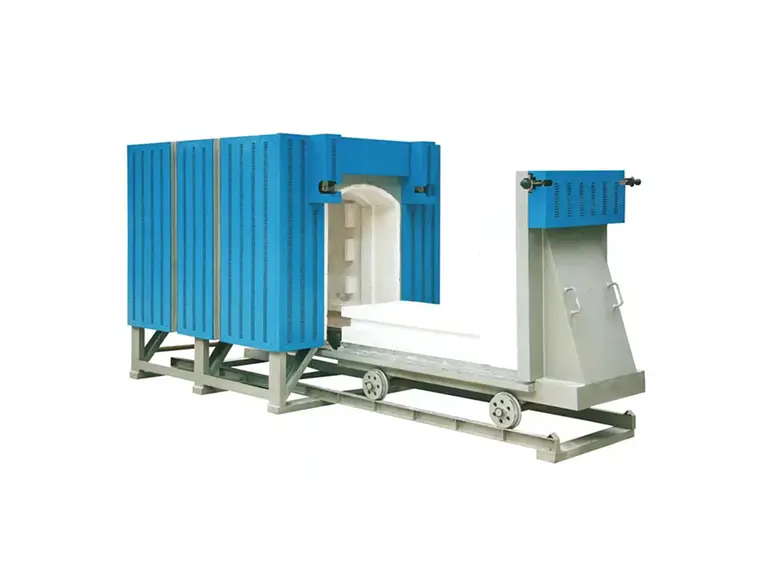
Modern R&D protocols require not only consistent heating but also precise ramping and soaking capabilities. A high-performance controller should offer PID autotuning with an accuracy of ±0.1°C at steady state. HEATEST Instrument integrates programmable logic controllers (PLCs) that support up to 50-step profiles, allowing researchers to simulate complex thermal cycles — from rapid heating to slow cooling — without manual intervention. Equally important is comprehensive data logging: built-in sensors and Ethernet/USB connectivity enable real-time recording of temperature, humidity (if applicable), and power consumption. This data is indispensable for traceability in regulated industries such as aerospace and automotive.
3. Safety Features and Compliance
Operating chambers at extreme temperatures introduces significant risks — fire, operator burns, and equipment damage. Any high-temp test equipment intended for R&D labs must incorporate redundant safety systems. HEATEST Instrument chambers are engineered with:
- Overtemperature protection with independent thermocouple.
- Automatic shutdown upon door-open or system fault.
- External heat shields and cool-touch handles.
- CE and UL certification, meeting international safety standards.
These features protect both personnel and expensive prototypes, while also ensuring compliance with lab safety audits.
4. Material Compatibility and Chamber Design
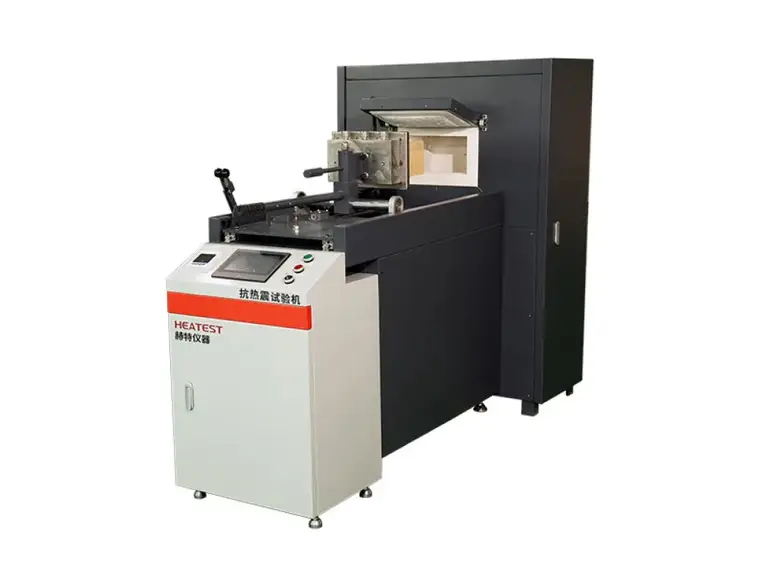
The internal construction of a high-temperature test chamber directly affects test integrity. Stainless steel (304 or 316) is standard, but for corrosive off-gassing or high-purity applications, a quartz-lined or ceramic-fiber interior may be required. HEATEST Instrument offers customizable chamber linings to match the sample chemistry. Additionally, the door sealing mechanism must withstand repeated thermal expansion cycles without leaking heat or compromising vacuum integrity. A low-mass, rapid-ramp design using advanced insulation materials also improves energy efficiency — a growing concern for labs aiming to reduce operational costs.
5. Why Choose HEATEST Instrument? A Comparison
When evaluating suppliers, R&D decision-makers should consider not only technical specifications but also after-sales support and modularity. The table below contrasts typical industry offerings with HEATEST Instrument’s advantages:
- Wider standard range: Many competitors top out at 1100°C; HEATEST covers 1700°C with optional inert gas purging.
- Faster ramp rates: Up to 30°C/min versus typical 10-15°C/min, accelerating test cycles.
- Built-in remote monitoring: Ethernet and Wi‑Fi out of the box, while others charge extra for connectivity.
- Lower total cost of ownership: Energy-efficient insulation and longer element life reduce replacement frequency.
- Dedicated application support: Engineers from HEATEST Instrument assist with custom fixture design and calibration.
Conclusion
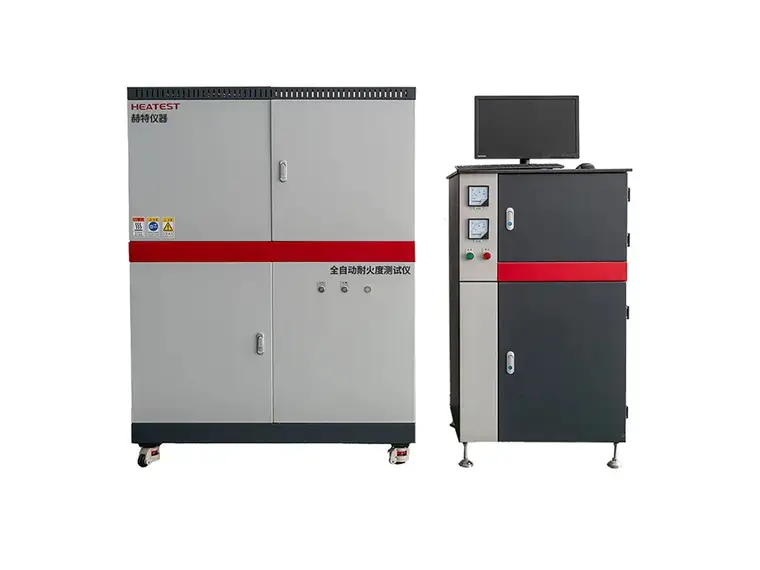
Selecting high-temp test equipment for an R&D lab is a strategic investment. Prioritize temperature uniformity, control precision, robust safety systems, and material compatibility. HEATEST Instrument delivers on all fronts, providing chambers that meet the rigorous demands of advanced materials research, electronic stress testing, and process validation. By choosing a partner that understands both the science and the practicalities of lab operations, you ensure that your high-temperature experiments yield trustworthy, publication-ready results.