
Selecting the right high temperature test gear is a decision that directly impacts product reliability, safety, and regulatory compliance. Whether you are evaluating material behavior under extreme heat or validating electronic components for aerospace applications, the equipment you choose must deliver consistent performance under demanding conditions. With countless options on the market, asking the right questions before making a purchase can save you from costly downtime and inaccurate test results. Below are the ten most critical questions every engineer and procurement professional should ask when evaluating high temperature test gear, with insights drawn from years of field experience and the engineering depth of HEATEST Instrument.
1. What Is the True Temperature Range and Uniformity?
Many manufacturers claim broad temperature ranges, but the real question is whether the system can maintain uniform conditions across the entire working volume. Uneven heating leads to skewed data and failed tests. Ask for documented uniformity data at multiple set points. HEATEST Instrument designs its chambers with advanced air distribution and multi-zone control to ensure ±0.5°C uniformity even at the upper end of the range. Verify that the published specifications match the conditions your tests require.
2. How Fast Can the System Ramp and Stabilize?
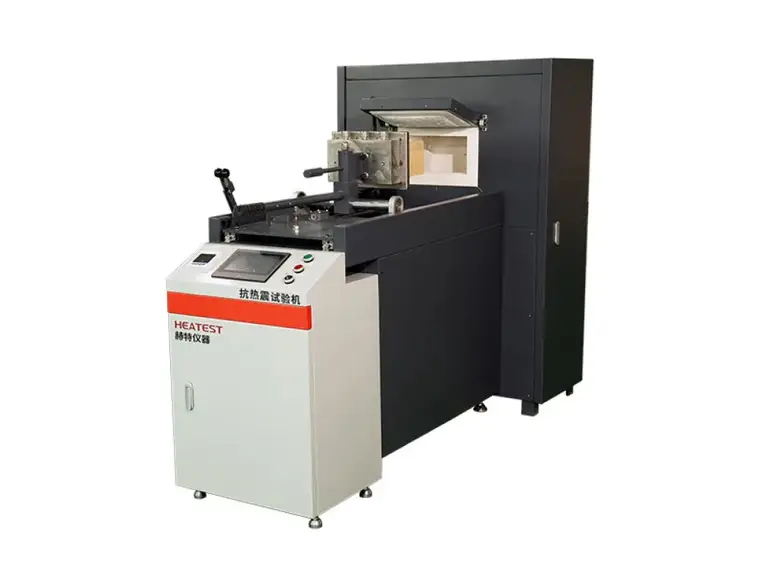
Ramp rate and stabilization time directly affect test throughput and energy consumption. A system that takes hours to reach 1000°C may not be suitable for accelerated life testing. Inquire about both heating and cooling rates, and whether the system can maintain stable temperature after rapid transitions. HEATEST Instrument uses high-performance heating elements and intelligent PID algorithms to achieve fast ramps without overshoot, reducing overall test cycle time.
3. What Is the Long-Term Reliability of the Heating Elements?
Heating elements are the heart of any high temp test gear. Premature failure causes downtime and expensive repairs. Ask about the element material, warranty, and typical lifespan under continuous operation. HEATEST Instrument sources industrial-grade Kanthal and silicon carbide elements that are proven in thousands of hours of field use. Additionally, their modular design allows quick replacement without dismantling the entire chamber.
4. Does the Temperature Control Logic Include Safety Redundancies?
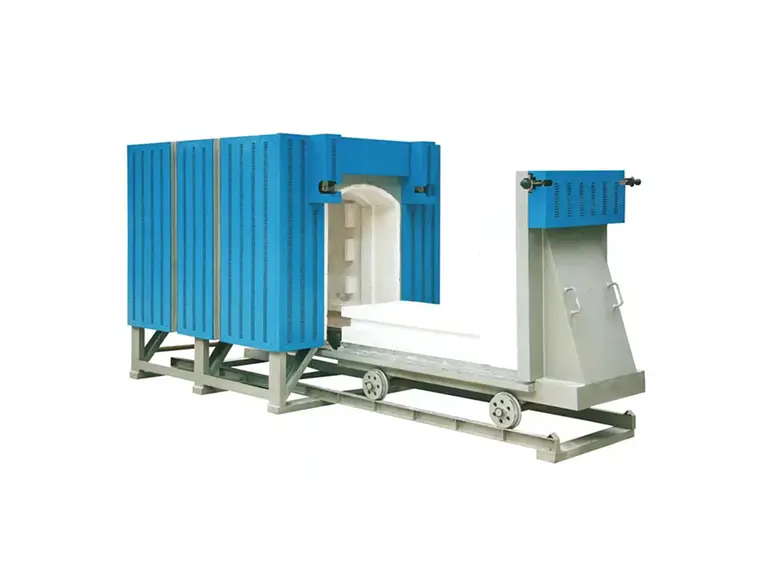
High temperature testing carries inherent risks: runaway temperature, overcurrent, or sensor failure can damage both equipment and samples. A robust control system must include independent overtemperature protection, redundant thermocouples, and automatic shutdown protocols. HEATEST Instrument integrates dual-channel safety circuits with separate limit controllers that act independently from the main PID loop, ensuring fail-safe operation even if the primary controller malfunctions.
5. How Accurate Are the Measurement and Recording Systems?
Data integrity is non-negotiable in certified testing. Ask about the accuracy class of the temperature sensors (type K, R, or S thermocouples), the calibration interval, and whether the data acquisition system is NIST traceable. HEATEST Instrument provides multi-point calibration certificates with every unit, and its built-in data logger records at user-defined intervals with time-stamped entries that meet ISO 17025 standards.
6. What Is the Usable Working Volume vs. Overall Footprint?
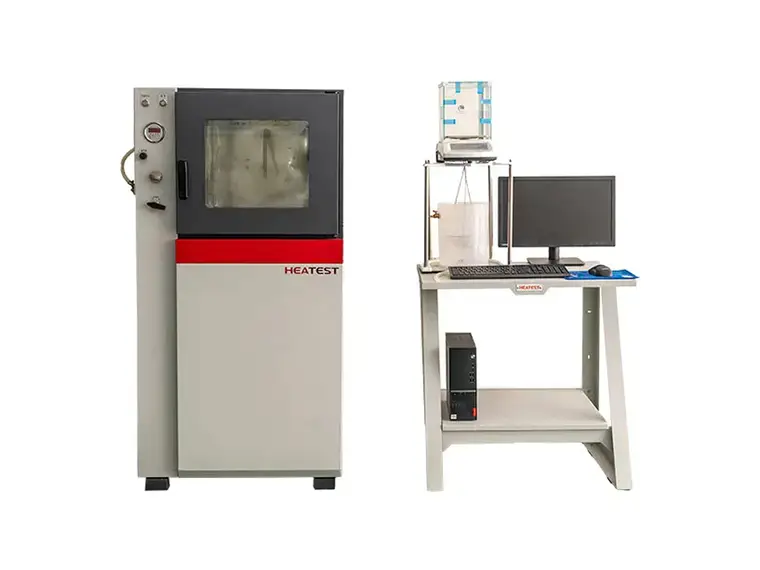
Test gear often sits in lab spaces with limited floor area. A large chamber may force you to compromise on workspace layout. However, a small interior volume restricts sample size and airflow. Evaluate the ratio of internal usable dimensions to external dimensions. HEATEST Instrument optimizes insulation thickness to maximize internal capacity while keeping external dimensions compact. Their standard models offer internal volumes from 50 liters to over 1000 liters without sacrificing thermal performance.
7. Can the System Handle Corrosive or Humid Samples?
High temperature testing often involves materials that release corrosive vapors or moisture. Standard stainless steel interiors may degrade quickly. Ask about interior material options, exhaust systems, and whether the chamber can be configured with inert gas purging. HEATEST Instrument offers optional Incoloy 825 or ceramic-coated interiors for aggressive environments, along with controlled exhaust ports that protect both the sample and the surrounding laboratory.
8. What Is the Real-World Power Consumption and Efficiency?
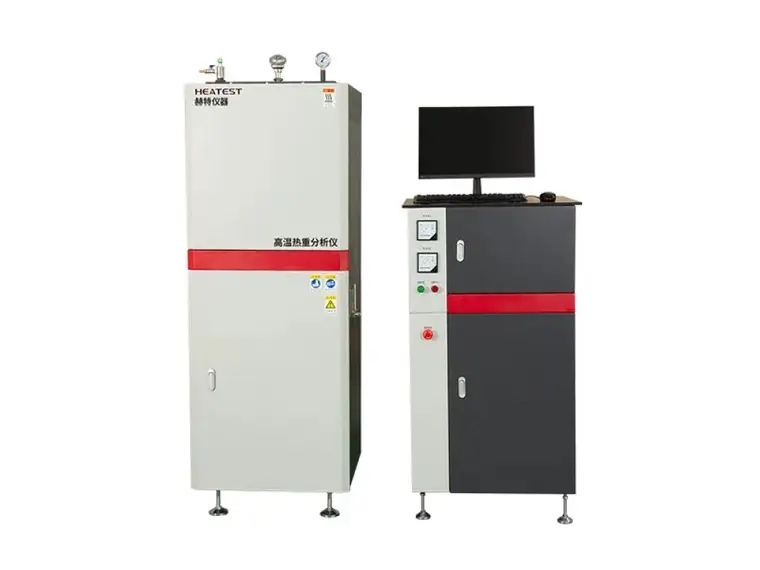
Energy costs can exceed the purchase price over the gear’s lifetime. Inquire about insulation type, door seals (multi-layer silicone vs. ceramic fiber), and whether the system uses variable power control to reduce consumption at lower set points. HEATEST Instrument designs its chambers with vacuum-formed ceramic fiber insulation and high-temp door gaskets that reduce heat loss by up to 30% compared to conventional designs, translating into lower electricity bills.
9. How Easy Is Maintenance and Calibration?
Downtime for maintenance must be minimal. Check access to internal components, availability of spare parts, and whether the manufacturer provides remote diagnostics. HEATEST Instrument equips its controllers with USB and Ethernet ports for remote firmware updates and diagnostics. Calibration can be performed without removing the sensors, and all service points are accessible from the front panel to reduce repair time.
10. Does the Supplier Offer Application-Specific Customization?
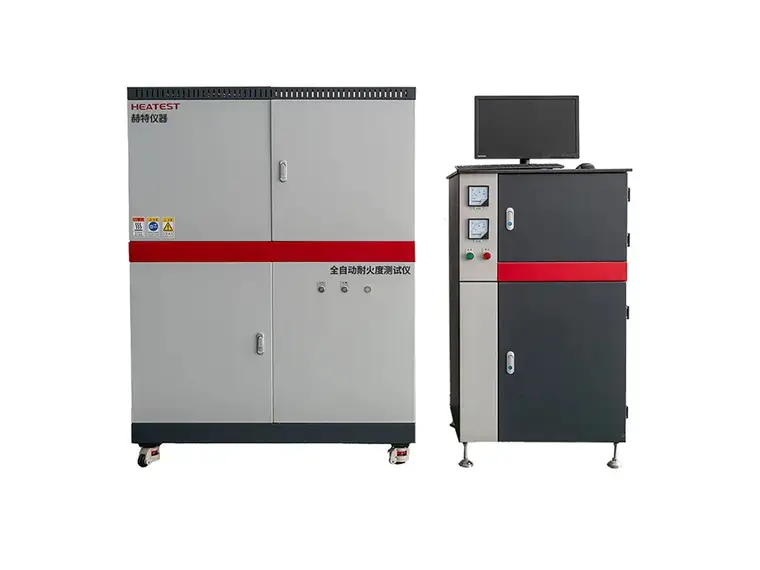
Off-the-shelf test gear may not perfectly fit your unique testing protocol. Ask whether the manufacturer can modify port sizes, add view windows, integrate with external data systems, or provide special fixture mounts. HEATEST Instrument maintains a dedicated engineering team that works with clients to adapt standard platforms for specific military, automotive, and aerospace standards. Customization is quoted and delivered with the same reliability as standard models.
Conclusion
Choosing high temperature test gear requires more than comparing brochure specifications. Each of the ten questions above addresses a real-world concern that affects test accuracy, operational cost, and long-term return on investment. By evaluating temperature uniformity, ramp speed, safety features, measurement accuracy, volume efficiency, material compatibility, energy consumption, serviceability, and customization capability, you can confidently select equipment that meets both current and future testing needs. HEATEST Instrument has built a reputation for engineering test gear that answers these questions with proven performance and transparent documentation. When you are ready to make your decision, let these questions guide your evaluation and ensure your high temp test gear delivers reproducible, trustworthy results for years to come.