
High temperature test equipment, such as ovens, furnaces, and thermal chambers, operates under extreme conditions that can accelerate wear and degrade performance. Without a systematic maintenance regimen, even the most robust systems—like those from HEATEST Instrument—may experience premature failure, leading to costly downtime and inaccurate test results. This article provides a comprehensive set of maintenance tips designed to extend the operational lifespan of your high temp test gear, ensuring consistent accuracy and reliability for years to come.
Understanding the Operating Stresses on High Temp Test Gear
To maintain equipment effectively, you must first understand the forces that cause degradation. High temperature testing environments impose several distinct stresses:
- Thermal cycling: Repeated heating and cooling cause expansion and contraction of materials, leading to fatigue in joints, seals, and heating elements.
- Oxidation and corrosion: Elevated temperatures accelerate chemical reactions, particularly in the presence of moisture or process gases, which can degrade insulation and metal surfaces.
- Electrical stress: Heat reduces the dielectric strength of wiring and connectors, increasing the risk of short circuits or sensor drift.
- Contaminant buildup: Dust, oil vapors, and other airborne particles can settle on critical components, reducing heat transfer efficiency and creating hot spots.
Recognizing these stressors allows you to prioritize maintenance actions that directly counteract them. HEATEST Instrument designs its chambers with advanced materials and smart thermal management to mitigate these effects, but no system is maintenance-free.
Best Practices for Daily Maintenance
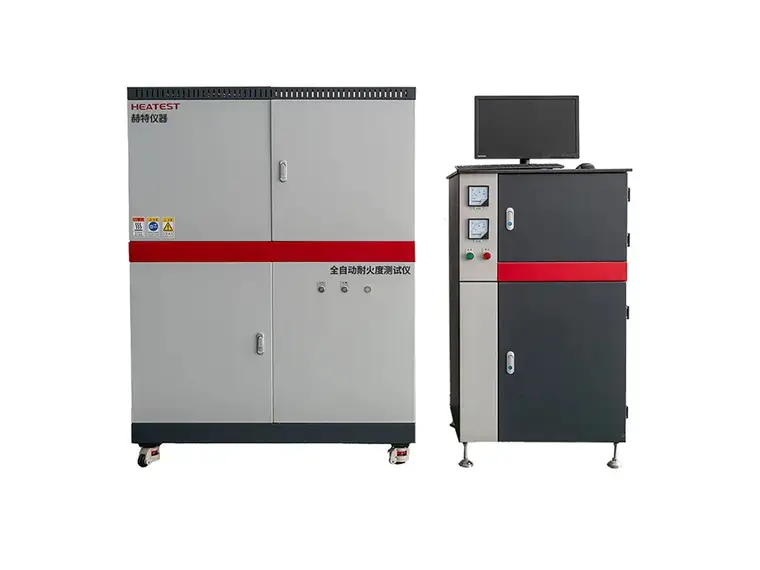
Pre-Use Inspection and Calibration
Before each operating cycle, perform a quick visual check of the chamber interior, door gasket, and control panel. Look for signs of discoloration, cracking, or foreign objects. Calibrate temperature sensors and controllers at least monthly using a certified reference instrument. For HEATEST Equipment, the modular sensor design allows easy swapping without recalibrating the entire unit—a feature that simplifies compliance with ISO 17025 standards.
Controlled Heating and Cooling Cycles
Avoid rapid temperature ramps unless the equipment is specifically rated for thermal shock. Gradually increase setpoints during warm-up and allow natural cooling before opening the door. This practice reduces mechanical stress on the heating elements and chamber walls. For automated systems, program a slow ramp rate (e.g., 5°C per minute) as a default, and only use fast rates when required by the test protocol. HEATEST Instrument’s intuitive control software includes customizable ramp profiles to help users adhere to best practices.
Advanced Maintenance Techniques for Long-Term Reliability
Proactive Component Replacement
Replace consumable parts before they fail. Key items include:
- Heating elements: Typically last 2–5 years depending on duty cycle; replace when resistance deviates more than 10% from spec.
- Thermocouples and RTDs: Replace every 12–18 months in high-temperature applications to maintain accuracy.
- Door seals (gaskets): Inspect quarterly; replace if there is any hardening, cracking, or loss of compression.
- Air filters and fans: Clean or replace monthly to ensure proper airflow and prevent overheating of control electronics.
Keep spare parts on hand to minimize downtime. HEATEST Instrument offers pre-packaged maintenance kits that include all commonly needed components for each model.
Environmental and Contamination Control
Maintain the area around the test gear clean and well-ventilated. Use filtered intake vents to reduce dust ingress. For chambers used with volatile substances, install a purge system or fume extraction to prevent corrosive byproducts from accumulating. HEATEST chambers feature a stainless steel interior with rounded corners that are easy to wipe down—reducing the risk of contamination buildup that can skew test results.
Why HEATEST Instrument Equipment Requires Less Maintenance (and Performs Better)
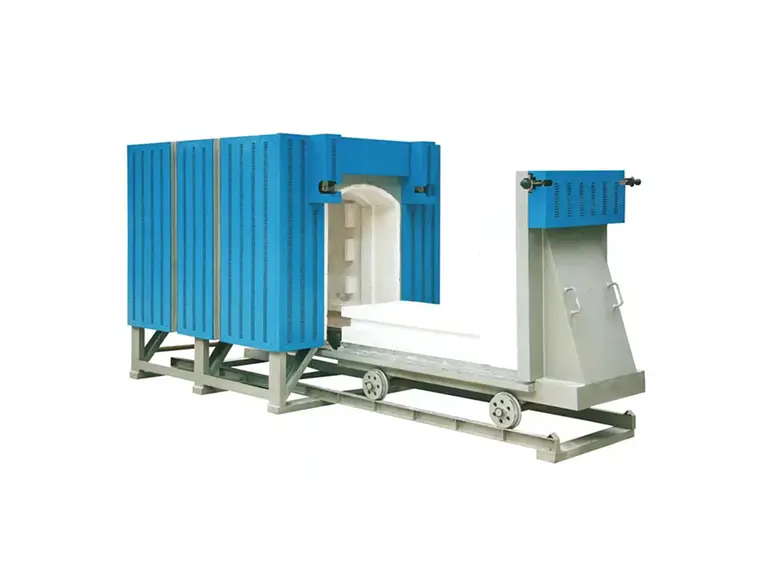
| Feature | HEATEST Instrument | Conventional Equipment |
|---|---|---|
| Heating element material | High-nickel alloy with ceramic insulation | Standard resistive wire |
| Sensor redundancy | Dual thermocouple arrays with automatic cross-check | Single sensor |
| Control algorithm | Self-tuning PID with overheat protection | Basic on/off control |
| Seal design | Compression gasket with replaceable core | Adhesive-bonded seals |
These design choices directly reduce the frequency of maintenance interventions. For example, the self-tuning PID control minimizes overshoot and thermal cycling stress, prolonging element life. The replaceable seal core can be swapped in minutes without tools, keeping the chamber back in service faster. However, even the best equipment benefits from a disciplined maintenance schedule.
Frequently Asked Questions About High Temp Test Gear Maintenance
How often should I calibrate my high temperature test chamber?
For most industrial applications, quarterly calibration is recommended. If your tests are critical to product qualification or regulatory compliance, increase frequency to monthly. HEATEST Instrument offers on-site calibration services and remote diagnostics to verify accuracy without sending the unit away.
What are the early signs of a failing heating element?
Watch for longer-than-normal heat-up times, visible glowing spots, or erratic temperature control. If your chamber requires more current to maintain setpoint, the element may be degrading. Replace it promptly to avoid cascading damage to the controller.
Can I perform maintenance myself, or should I use a certified technician?
Basic tasks like cleaning, filter replacement, and visual inspection can be done by trained operators. For electrical repairs, sensor replacement, or calibration, use a qualified technician. HEATEST Instrument provides detailed maintenance manuals and optional training courses to help your staff confidently handle routine procedures.
How does maintenance affect my equipment’s lifespan?
Proper maintenance can double the expected service life of high temp test gear. An oven that might fail after 5 years with neglect can run reliably for 10–12 years with consistent care. The return on investment is significant, especially when considering the cost of unplanned downtime and scrap tests.
By implementing these maintenance tips and leveraging the robust design of HEATEST Instrument products, you can maximize the lifespan of your high temperature test equipment, improve test repeatability, and reduce total cost of ownership. Start with a written schedule today, and your gear will reward you with years of dependable performance.