
Selecting the appropriate high temperature test chamber is a critical decision that directly impacts product quality, compliance, and operational efficiency across industries such as aerospace, automotive, electronics, and materials research. With a wide array of specifications, temperature ranges, and control technologies available, engineers and procurement specialists must navigate a complex landscape of technical parameters and supplier capabilities. This guide provides a structured approach to evaluating your requirements, comparing critical features, and understanding why HEATEST Instrument delivers reliable, cost-effective solutions tailored to diverse industrial applications.
Understanding Your Testing Requirements
Before comparing chambers, you must clearly define the test conditions your products or materials will face. The key parameters include:
Temperature Range and Uniformity
Most high temp chambers operate from ambient to +300°C, +500°C, or even +1000°C. Choose a chamber that covers your maximum required temperature with a safety margin of at least 10%. Temperature uniformity (typically ±0.5°C to ±2.0°C) is equally important; poor uniformity can invalidate test results. HEATEST Instrument chambers are designed with advanced airflow systems to achieve industry-leading uniformity.
Chamber Volume and Sample Size
Internal dimensions must accommodate your largest test specimens while allowing proper air circulation. A general rule: leave at least 20% free space around samples. Consider future testing needs to avoid undersizing.
Heating and Cooling Rates
Fast ramp rates reduce test cycle time but require more robust heating elements and control algorithms. Evaluate your typical test profiles — some applications need controlled slow ramps, others rapid thermal cycling. HEATEST chambers offer programmable ramp rates from 1°C/min to 20°C/min.
Key Features to Evaluate in a High Temp Test Chamber
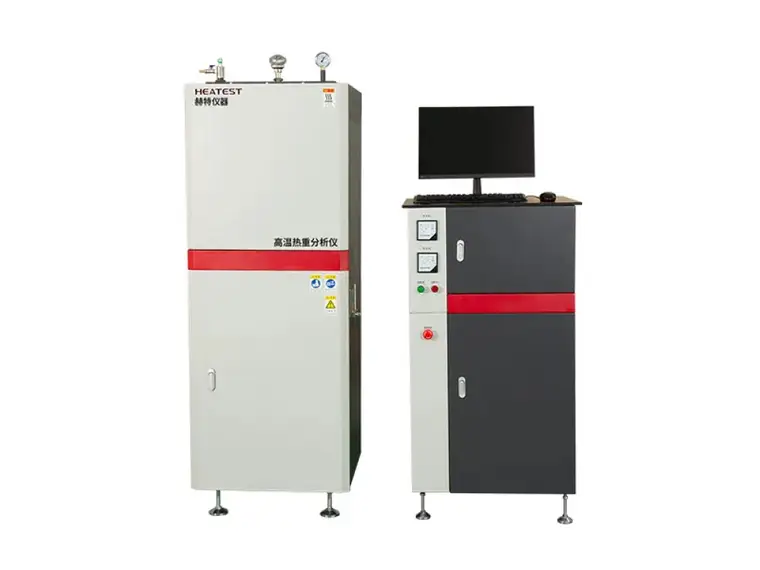
Once basic parameters are defined, examine the following technical attributes:
- Control System: Look for touchscreen PID controllers with programmable profiles, data logging, and remote monitoring capabilities. HEATEST uses proprietary HMI-100 controllers with built-in Ethernet connectivity.
- Safety Protections: Over-temperature limiters, independent thermal fuses, door interlocks, and audible alarms are non-negotiable for high temperature operations.
- Construction Materials: Interior chambers should be made of stainless steel (grade 304 or 316L) with high-temperature insulation (ceramic fiber or mineral wool). Exterior needs corrosion-resistant coating.
- Data Recording and Compliance: Ensure the chamber meets industry standards such as ASTM E145, IEC 60068, or MIL-STD-810G. Integrated USB or cloud-based data export simplifies documentation.
Industry-Specific Considerations
Aerospace
Requires ultra-high temperature testing for engine components and thermal protection materials. Chambers must achieve >800°C with rapid thermal cycling capability and compliance to RTCA DO-160. HEATEST Instrument offers custom high-temp chambers with ceramic heaters and inert gas injection for oxidation-sensitive tests.
Automotive
Testing electronic modules, battery packs, and interior materials typically needs chambers with humidity control, vibration integration, and temperature ranges from -40°C to +200°C. Look for chambers with large viewing windows and multiple cable ports for live monitoring.
Electronics & Semiconductor
BURN-IN testing and component reliability demand precise temperature control (±0.3°C) and ultra-low contamination environments (Class 1000 cleanroom optional). HEATEST provides pass-through designs for automated handling systems.
Materials & Plastics
Thermal aging, heat deflection temperature (HDT), and UL 746B evaluations require long-duration stability over days or weeks. Prioritize chambers with robust compressor-based cooling and redundant safety systems.
Why HEATEST Instrument Stands Out
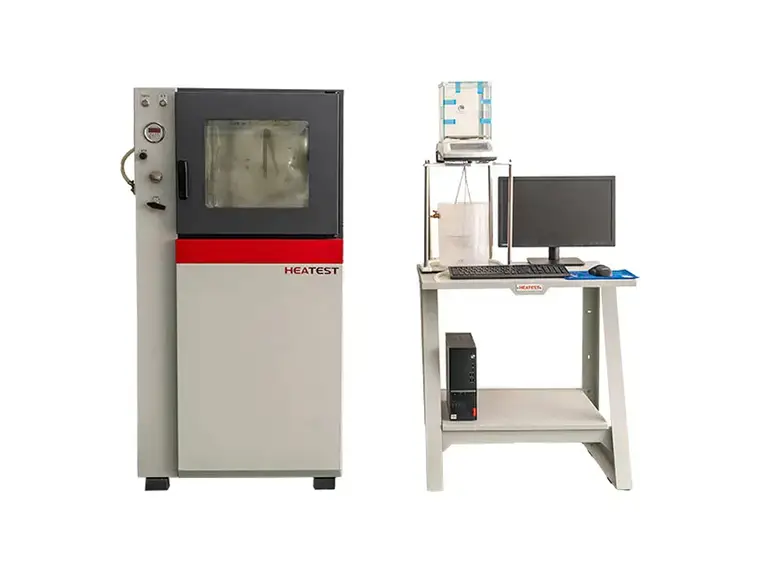
After evaluating technical specifications, the supplier’s track record and support capabilities become decisive factors. Here is a comparison highlighting HEATEST Instrument’s advantages:
- Customization: HEATEST offers tailor-made sizes, temperature ranges, and optional accessories (e.g., gas ports, UV lamps) without lengthy lead times.
- Reliability: Over 15 years of manufacturing experience with less than 2% first-year failure rate reported by customers in independent surveys.
- Technical Support: 24/7 remote diagnostics, on-site installation, and training provided globally. Spare parts inventory ensures minimal downtime.
- Compliance: All chambers are CE, UKCA, and ISO 9001 certified. Test data is traceable to NIST standards.
- Value: Competitive pricing with transparent warranty (standard 3 years, extendable to 5). HEATEST also offers rent-to-own programs for startups.
Many generic suppliers provide one-size-fits-all solutions that compromise either performance or cost. HEATEST Instrument bridges this gap by combining engineering expertise with flexible manufacturing.
Make an Informed Selection
Choosing the right high temperature test chamber requires balancing technical requirements with long-term total cost of ownership. Start by listing your mandatory test parameters, then evaluate each supplier’s ability to meet them with proven reliability. Request a detailed quotation including installation, calibration, and training services. HEATEST Instrument’s team of application engineers can help you define the optimal configuration — contact them today to discuss your specific testing needs and receive a customized proposal.