
In high-temperature environmental testing, the temperature ramp rate—the speed at which a chamber heats or cools—often receives less attention than maximum temperature or chamber volume. Yet this parameter directly influences test reproducibility, product failure detection, and overall operational efficiency. A poorly controlled ramp rate can introduce thermal gradients, stress non-uniformity, and invalidate test results. Understanding why ramp rate matters is essential for selecting the right chamber and designing reliable accelerated life tests. This article explores the technical significance of ramp rate, the factors that determine it, and how HEATEST Instrument engineers chambers to deliver precise, repeatable thermal profiles.
What Is Temperature Ramp Rate?
Temperature ramp rate defines the speed of temperature change inside the test chamber, typically expressed in degrees Celsius per minute (°C/min). It can refer to the rate of heating (ramp-up) or cooling (ramp-down). While many specifications list a maximum ramp rate, the actual achievable rate depends on the chamber's design, power capacity, and the thermal load presented by the test specimen.
Ramp-Up vs. Ramp-Down
Heating ramp rates are generally faster than cooling ramp rates because resistive heating elements can quickly add energy, while cooling requires refrigerant systems or liquid nitrogen to extract heat. In high-temp test chambers, ramp-down from extreme temperatures (e.g., 300°C to room temperature) demands robust cooling subsystems. HEATEST Instrument optimizes both directions using advanced PID control and multi-stage refrigeration.
Why Temperature Ramp Rate Matters in High Temp Test Chambers
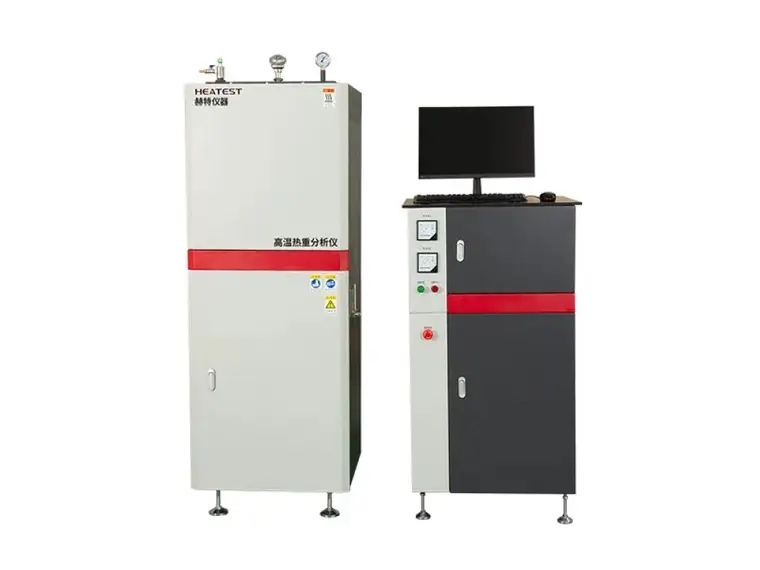
The ramp rate is not just a performance metric; it is a critical factor that affects test validity, product reliability, and cost of testing. Below are the key reasons why careful control of ramp rate is essential.
1. Impact on Thermal Gradient and Test Uniformity
When a chamber changes temperature too quickly, the air temperature near the heating elements or cooling coils may overshoot, creating spatial temperature gradients. Meanwhile, the test specimen, often with high thermal mass, lags behind the air temperature. This mismatch causes surface-to-core temperature differences that can induce unrealistic thermal stresses. A controlled ramp rate ensures the specimen's internal temperature follows the setpoint closely, maintaining uniform conditions throughout the workspace. HEATEST Instrument's chambers incorporate high-efficiency air circulation and balanced heating/cooling zones to minimize gradients even during fast ramps.
2. Effect on Material Stress and Failure Detection
Many high-temperature tests aim to evaluate thermal shock resistance or coefficient of thermal expansion mismatch. If the ramp rate is too slow, the test may not replicate real-world thermal transients, leading to false passes. Conversely, an excessively fast rate can cause unrealistic failures, such as cracking from thermal shock that would never occur in actual service. Selecting the appropriate ramp rate—often specified by industry standards like MIL-STD-810 or IEC 60068—is critical. HEATEST Instrument provides programmable ramp profiles to match these standards precisely.
3. Test Throughput and Operational Efficiency
In production or qualification testing, faster ramp rates reduce overall cycle time, increasing throughput. However, pushing ramp rate to extremes may require oversized heating/cooling systems, raising capital and operating costs. The optimal ramp rate balances speed with specimen safety and energy consumption. For example, a chamber that can ramp at 5°C/min instead of 3°C/min may cut a 200°C temperature change by 27 minutes per cycle. Over hundreds of cycles, this saves days of test time. HEATEST Instrument offers customizable ramp rate options, allowing users to tune performance to their throughput needs without sacrificing uniformity.
Key Factors That Determine Achievable Ramp Rate
Not all high-temp chambers can deliver the same ramp rate. Understanding the underlying hardware and control systems helps engineers evaluate specifications realistically.
Heating and Cooling System Design
Heaters must have sufficient power density to raise the chamber air temperature quickly. For cooling, the type of refrigeration (single-stage, cascade, or LN2 injection) and the compressor capacity dictate the maximum cooling rate. High-temp chambers operating above 200°C typically use resistive heaters with forced air circulation; for rapid cooling, liquid nitrogen or mechanical refrigeration with high-capacity compressors is required. HEATEST Instrument uses state-of-the-art inverter-controlled compressors that adjust capacity dynamically to achieve specified ramp rates efficiently.
Airflow and Duct Design
Even with powerful heating/cooling, poor airflow creates hot and cold spots, limiting the effective ramp rate because the chamber's control system must wait for temperature to equalize. A well-designed airflow path—with proper ducting, baffles, and high-velocity blowers—enables faster ramps while maintaining uniformity. HEATEST Instrument's chambers feature an optimized horizontal airflow pattern that reduces temperature stratification.
Load Characteristics
The mass, thermal conductivity, and geometry of the test specimen act as a thermal load. A heavy metal block absorbs heat slowly, reducing the effective ramp rate of the specimen itself even if the chamber air ramps quickly. Engineers must specify ramp rate based on the specimen's thermal response, not just chamber air data. Some chambers offer product ramp control mode, which adjusts the air temperature to achieve a target specimen temperature change per minute.
How to Select the Right Ramp Rate for Your Test
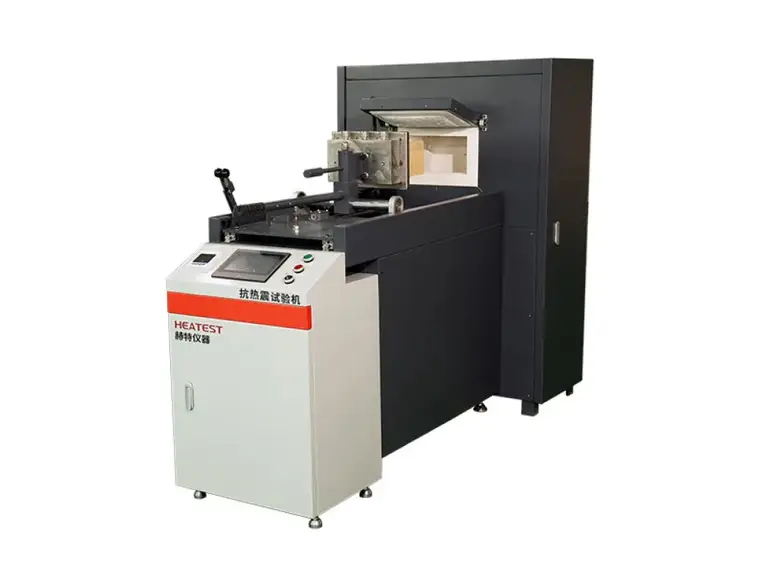
Choosing the ramp rate depends on the test standard, the material under test, and the failure modes of interest. Follow these guidelines:
- Consult applicable standards: Many automotive, aerospace, and electronics standards specify ramp rates (e.g., 5°C/min, 10°C/min). Adhere to these to achieve valid results.
- Evaluate thermal mass: For thick or high-mass specimens, use slower ramp rates (e.g., 1–3°C/min) to prevent internal gradients. For thin films or small components, faster rates (10°C/min or more) are acceptable.
- Consider test purpose: For thermal shock testing, rapid ramping is essential; for steady-state aging, ramp rate is less critical.
- Match chamber capability to production needs: If high throughput is required, select a chamber with a robust cooling system and fast ramp capability—such as those offered by HEATEST Instrument.
How HEATEST Instrument Optimizes Ramp Rate Performance
With over a decade of experience in manufacturing high-precision test chambers, HEATEST Instrument prioritizes ramp rate control through three key technologies:
- Intelligent PID + Fuzzy Logic Control: The controller anticipates thermal overshoot and adjusts heater/cooler output dynamically, enabling faster ramps without overshoot.
- Multi-zone Air Duct System: By distributing heated or cooled air evenly across all shelves, the chamber ensures temperature gradients remain below ±1.5°C even during 10°C/min ramps.
- Energy-efficient Refrigeration: Cascade and LN2 hybrid systems provide cooling rates up to 15°C/min from 300°C to ambient, while consuming 20% less energy than conventional designs.
Every chamber from HEATEST Instrument is factory-calibrated to guarantee specified ramp rates under full load, giving you confidence in test reproducibility.
Conclusion
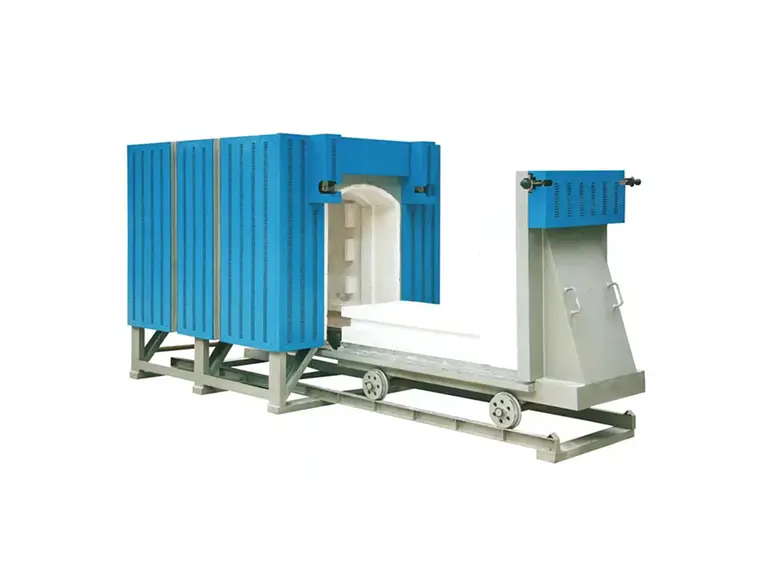
Temperature ramp rate is a fundamental parameter that influences test accuracy, material stress patterns, and operational efficiency in high-temp test chambers. Ignoring it can lead to invalid results, wasted time, and increased costs. By understanding how ramp rate interacts with chamber design, airflow, and load characteristics, engineers can make informed decisions when specifying equipment. Whether you require gentle 1°C/min ramps for composite materials or aggressive 15°C/min transients for semiconductor reliability testing, HEATEST Instrument provides tailored solutions that meet your exact ramp rate requirements. Prioritize ramp rate in your next chamber evaluation—it’s the difference between a test that merely runs and a test that delivers actionable, repeatable data.