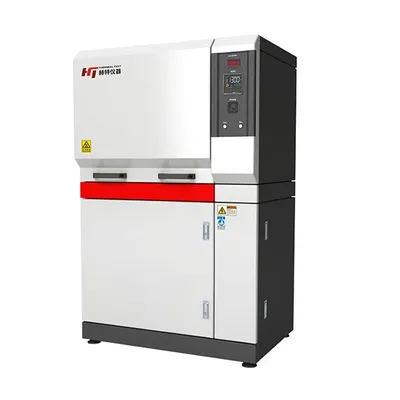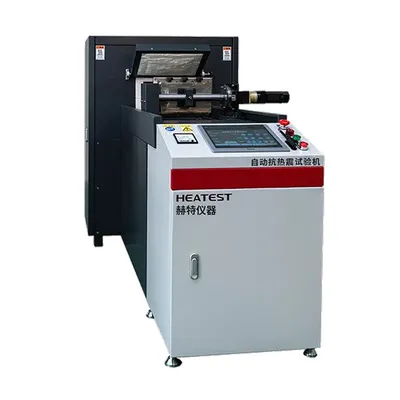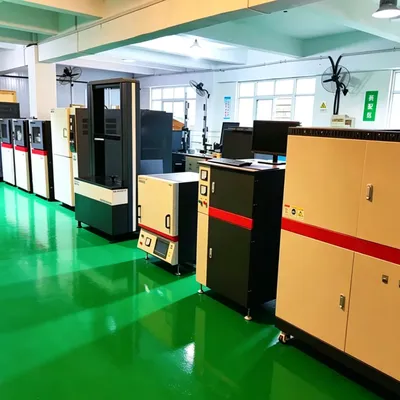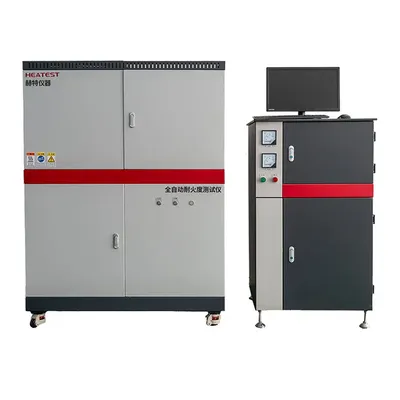
Selecting the right high temperature test equipment is a critical decision that directly impacts product quality, compliance, and operational costs. Whether you are evaluating materials for aerospace applications or validating electronic components under thermal stress, the core dilemma often boils down to budget versus performance. A lower upfront investment may seem attractive, but it can lead to higher long-term expenses through poor accuracy, frequent breakdowns, or limited capability. On the other hand, top-tier systems offer precision and reliability but may strain your capital. This guide provides a structured framework to navigate this trade-off, helping you identify the optimal balance for your specific testing needs, with practical insights from the experienced team at HEATEST Instrument.
Understanding Your Testing Requirements: Temperature Range, Chamber Size, and Cycle Time
Before comparing price tags, you must define your operational parameters. The primary factors shaping both budget and performance are temperature range, chamber size, and required cycle time.
Temperature Range and Uniformity
A standard high-temperature chamber may cover 200℃ to 600℃, while advanced models exceed 1000℃. Broader ranges demand more robust heating elements and insulation, increasing cost. Equally important is temperature uniformity across the workspace. If your test requires +/-1℃ tolerance, a budget chamber with +/-5℃ may lead to invalid results, forcing costly retests. Always specify the maximum temperature and the allowable deviation for your application.
Chamber Size and Sample Throughput
Larger chambers require more energy and heavier construction, directly affecting price. However, purchasing an undersized chamber can bottleneck production. Measure your largest sample and consider future volume. HEATEST Instrument offers customizable sizes to match exact dimensions without paying for unused capacity.
Cycle Time and Ramp Rates
Rapid heating and cooling demands powerful systems. If your process requires repeated thermal cycles per day, investing in faster ramp rates can dramatically improve throughput. Budget models often have slower temperature change rates, while performance models can exceed 10℃/min. The payoff: more tests per shift.
Key Performance Indicators for High Temp Test Equipment
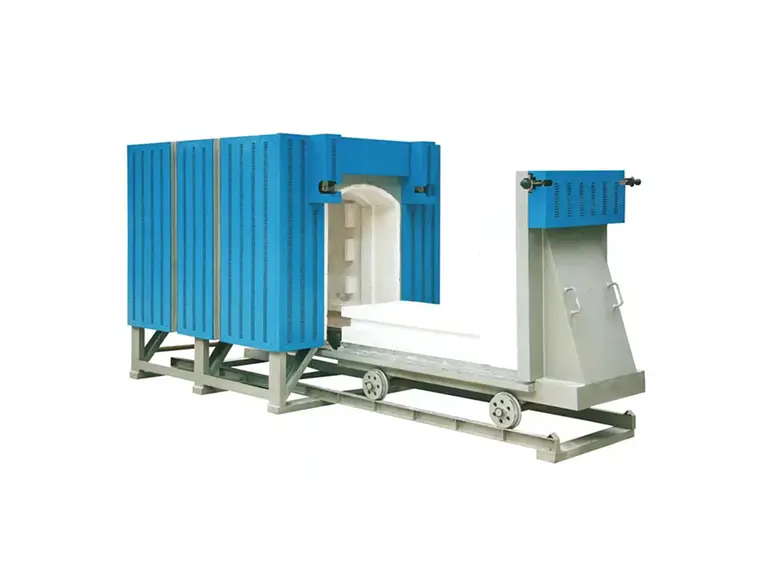
Beyond raw specifications, several performance indicators separate entry-level from professional-grade systems. Evaluate each against your quality requirements.
- Temperature Stability: The ability to maintain a set point over time. Stability of +/-0.5 is typical for high-performance units; budget units may drift more than +/-2.
- Accuracy and Calibration: Industry standards (e.g., ASTM, MIL-STD) often mandate periodic calibration. Equipment with built-in calibration ports and digital controllers simplifies compliance.
- Heating Element Lifespan: Premium chambers use high-grade resistance wire, molybdenum, or silicon carbide elements that last longer and degrade less, reducing replacement costs.
- Control System: A modern PID controller with touchscreen interface and data logging provides precise adjustments and traceability. Budget units may have basic analog dials, increasing human error.
- Safety Features: Over-temperature protection, emergency shutoff, and redundant sensors are non-negotiable for safe operation. Lower-cost machines sometimes omit these, posing risks to personnel and samples.
Budget vs Performance: A Comparative Analysis
To make an informed decision, compare three typical equipment tiers. Below is a structured overview of their traits, trade-offs, and typical applications.
AspectBudget-Friendly GradeMid-Range GradeHigh-Performance Grade Price Range$5,000 - $15,000$15,000 - $40,000$40,000+ Temperature RangeUp to 300 - 600Up to 1000+ Uniformity Tolerance+/-5+/-2+/-1 or better Ramp Rate2-3/min5-8/min>10/min Controller TypeBasic analog or simple digitalPID with touchscreenAdvanced PLC with remote monitoring Typical ApplicationsLow-precision QA checks, educationStandard testing per IEC/ASTMR&D, certification labs, high-volume production Long-Term CostHigher due to repairs and downtimeModerate; balanced reliabilityLower per test; high uptime
As the table shows, the total cost of ownership often favors mid-range or high-performance machines when tests run frequently. A budget chamber might suffice for occasional low-precision checks. For mission-critical validation, the performance grade from HEATEST Instrument provides superior consistency and compliance support.
Hidden Costs and Long-Term Value
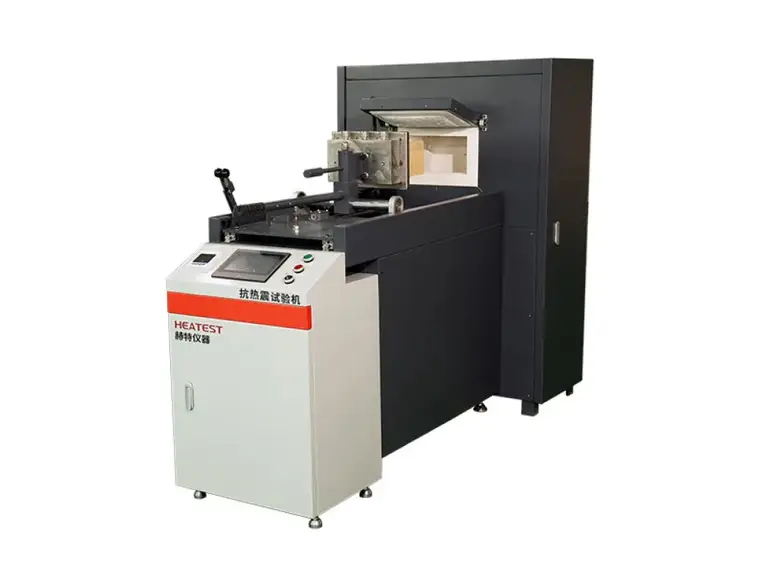
Many buyers focus only on the initial purchase price, ignoring recurring expenses. Here are areas where performance equipment recovers its investment.
- Energy Consumption: Better insulation and efficient heating elements reduce electricity bills. A well-designed chamber can use 30% less power than an equivalent budget model over a year.
- Maintenance & Repair Frequency: High-quality components (compressors, seals, controllers) lower breakdown rates. Budget units may require part replacements every 3-6 months, while performance units often operate for 3-5 years with only routine calibration.
- Downtime Costs: An unreliable chamber halts production. If a single failure delays a batch worth tens of thousands of dollars, the extra upfront cost of a reliable system becomes trivial.
- Calibration & Compliance: performance equipment usually includes built-in diagnostics and easier traceability, reducing external calibration fees.
- Resale Value: Professional-grade chambers retain value better and can be resold or upgraded if needs change.
HEATEST Instrument designs its high-temp test equipment to minimize these hidden costs through robust construction and energy-efficient designs, making them a smart long-term choice for serious labs and manufacturers.
Making the Right Choice: Practical Tips and Recommendations
To conclude your evaluation, follow this step-by-step decision process.
- List your mandatory requirements: temperature, uniformity, sample size, and applicable standards.
- Determine your test frequency: occasional vs. continuous use heavily influences the necessary durability.
- Calculate total cost of ownership over 3-5 years, including energy, maintenance, and downtime risk.
- Request detailed specifications and ask vendors for documented test data, not just brochures.
- Seek references from other users in your industry.
- Consider a professional partner like HEATEST Instrument, which offers customizable high-temperature chambers backed by years of engineering expertise and after-sales support.
By aligning your budget with real performance needs, you avoid overspending on unnecessary capabilities while ensuring you never compromise test integrity. A well-chosen high temp test chamber is an asset that pays for itself through reliable data, higher throughput, and fewer compliance headaches.
Remember that the cheapest option is rarely the most economical in the long run. Invest in equipment that delivers the precision and durability your processes demand. For a detailed consultation on your specific high-temperature testing requirements, the team at HEATEST Instrument is ready to help you find the perfect balance between budget and performance.