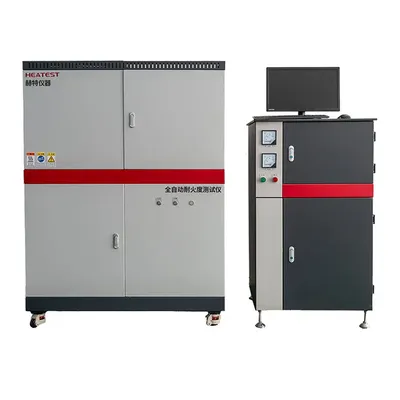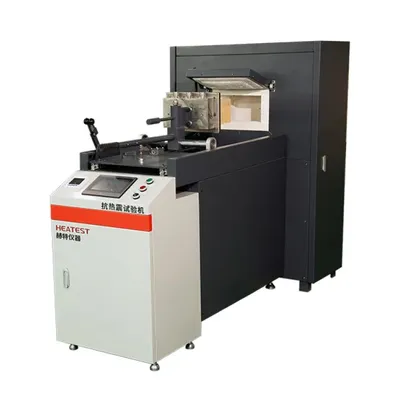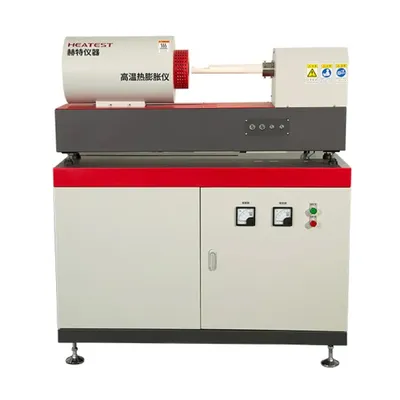
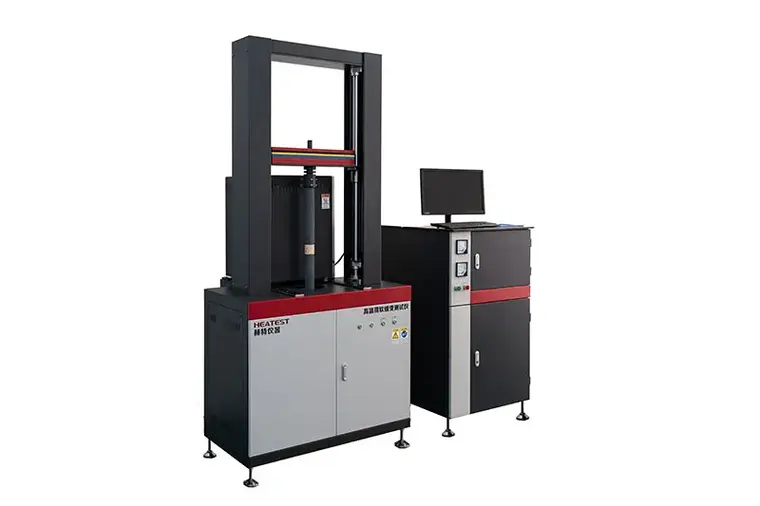
The high temperature softening tester is a special equipment instrument used to evaluate the softening properties of materials under high temperature conditions. In many industrial fields, such as road construction and rubber industry, it is important to understand the performance of materials under high temperature environments. This article will introduce in depth the working principle, application fields and importance of the high temperature softening tester in material performance evaluation.
Working principle of high temperature load softening tester
The working principle of high temperature load softening tester involves two key factors: temperature and load. First, the sample is placed in the test instrument, and then the temperature is raised to the required high temperature level through the heating system. This simulates the high temperature environment that may be faced in actual applications. Secondly, the load system applies a certain pressure or load to the sample to simulate the actual use. By observing the softening degree and performance changes of the material over a certain period of time, key data can be obtained.
Application fields of high temperature load softening tester
Road construction
In road construction, asphalt is one of the common materials. Understanding the softening point and flow properties of asphalt under high temperature conditions is crucial to road durability. High temperature load softening tester provides a reliable means for evaluating asphalt performance.
Rubber industry
Rubber products may face deformation and softening problems under high temperature conditions. By testing in a high temperature load softening tester, the performance of rubber products can be fully evaluated to ensure its stability in actual applications.
Materials Research
In the field of materials research, understanding the behavior of different materials at high temperatures is crucial to the development of new materials. High temperature load softening testers provide researchers with tools to gain in-depth insights into material performance.
Importance of High Temperature Load Softening Testers
The application of high temperature load softening testers is essential to ensure that materials meet standards and performance indicators. By providing detailed data such as softening point, fluidity, and deformation, this test instrument helps engineers and researchers better understand the behavior of materials in high temperature environments, thereby improving product design and increasing material reliability.
The high temperature load softening tester plays an indispensable role in the field of materials engineering. Its detailed testing and data analysis capabilities make it an ideal tool for evaluating the performance of materials under high temperature conditions. By gaining a deeper understanding of the working principles, application areas, and importance, we can better recognize the important role of high temperature load softening testers in promoting the development of materials science and engineering.