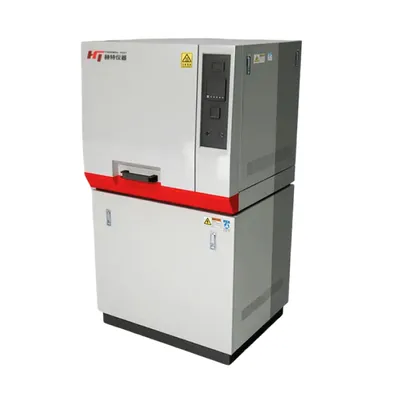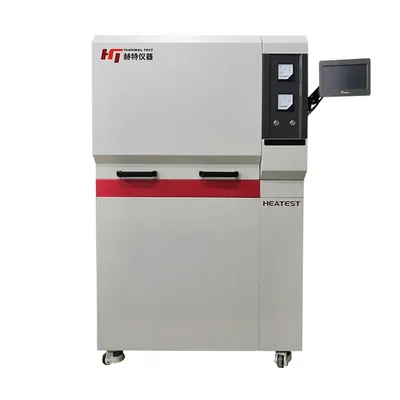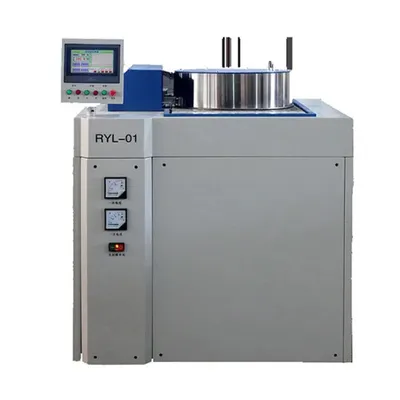
Muffle furnaces are widely used in laboratories, metallurgy testing, ceramic processing, heat treatment research, and quality control environments where stable and uniform high-temperature heating is required. At the core of their performance lies the heating element system, which directly determines temperature accuracy, energy efficiency, and operational stability. However, in real industrial and laboratory applications, heating elements are also among the most frequently failing components. Understanding the root causes of these failures and implementing proper solutions is essential for reducing downtime, extending furnace lifespan, and maintaining consistent process quality.
This article provides a practical and engineering-oriented analysis of common muffle furnace heating element failures, their underlying causes, and proven maintenance strategies based on industrial experience and thermal equipment engineering principles.
1.Understanding the Role of Heating Elements in a Muffle Furnace
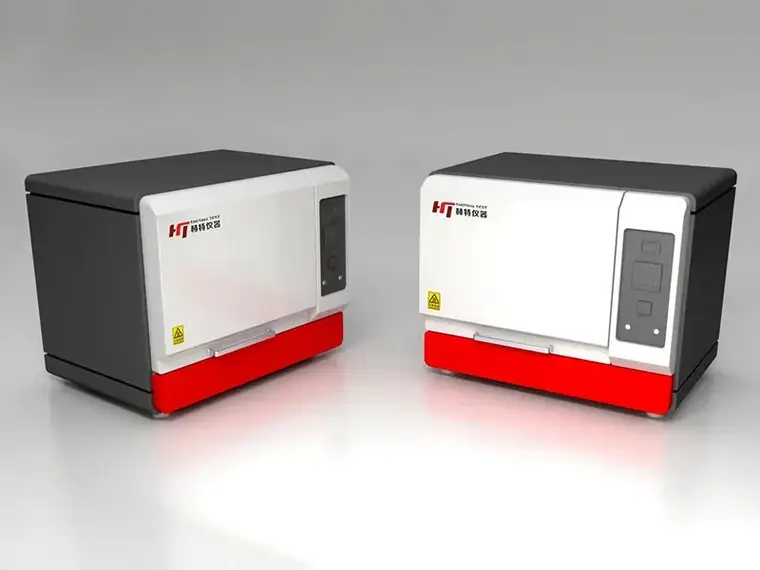
The heating element in a muffle furnace is responsible for converting electrical energy into thermal energy, typically operating under extreme conditions ranging from 800°C to over 1800°C depending on furnace design. Common materials include Kanthal (FeCrAl alloy), Nichrome (NiCr alloy), silicon carbide (SiC), and molybdenum disilicide (MoSi₂) for high-temperature applications.
Each material behaves differently under thermal stress, oxidation exposure, and electrical load. Therefore, element performance is not only determined by material quality but also by installation method, load distribution, furnace atmosphere, and maintenance practices.
2.Common Muffle Furnace Heating Element Failures
2.1 Element Burnout Due to Overheating
One of the most frequent failures occurs when heating elements operate beyond their rated temperature. Prolonged overheating accelerates oxidation and causes rapid material degradation, especially in Kanthal and Nichrome wires. This often leads to sudden breakage or localized melting.
In many cases, overheating is not caused by the element itself but by faulty temperature control systems, such as malfunctioning thermocouples, PID controller miscalibration, or relay failure.
2.2 Oxidation and Surface Degradation
Heating elements exposed to air at high temperatures gradually form an oxide layer. While a thin oxide layer can protect certain alloys, excessive oxidation leads to brittleness and resistance drift. Over time, this causes uneven heating and eventual element failure.
This issue is particularly common in furnaces that are frequently operated at maximum temperature without controlled cooling cycles.
2.3 Mechanical Fracture and Thermal Stress Cracking
Thermal expansion and contraction during heating and cooling cycles generate mechanical stress within the element. Repeated cycling can lead to micro-cracks that eventually propagate into complete fracture.
Improper coil spacing, tight installation, or insufficient allowance for expansion significantly increases the risk of mechanical failure.
2.4 Contamination and Chemical Attack
Heating elements can fail prematurely when exposed to corrosive vapors, dust, or process by-products. For example, sulfur, phosphorus, or alkali compounds can react with the element surface and accelerate corrosion.
In laboratory environments, contamination often comes from improperly sealed samples or volatile chemical reactions inside the furnace chamber.
2.5 Electrical Resistance Drift and Power Imbalance
Over time, heating elements may experience changes in electrical resistance due to material aging. This leads to uneven heating distribution and may cause certain sections of the element to overheat while others remain underutilized.
Power imbalance can also result from poor electrical connections, loose terminals, or aging relays.
3.Root Causes Behind Heating Element Failures
A technical understanding of failure mechanisms helps operators prevent repeated breakdowns. The most common root causes include:
Improper temperature control calibration
Continuous operation at maximum rated temperature
Poor furnace insulation causing heat loss compensation overload
Incorrect element selection for application temperature range
Lack of preventive maintenance scheduling
Voltage fluctuations in industrial power supply systems
Inadequate airflow or thermal distribution inside furnace chamber
From an engineering perspective, most heating element failures are not isolated material defects but system-level issues involving control, environment, and operation practices.
4.Diagnostic Methods for Identifying Heating Element Problems
Professional furnace maintenance teams typically use a combination of electrical and thermal diagnostics:
4.1 Resistance Measurement Testing
By measuring element resistance and comparing it with manufacturer specifications, technicians can detect early-stage degradation or breakage.
4.2 Infrared Thermal Imaging
Thermal cameras help identify uneven heating patterns, hot spots, or inactive sections of the element before complete failure occurs.
4.3 Visual Inspection After Shutdown
Cracks, discoloration, oxidation buildup, and deformation can be identified during scheduled furnace cooling intervals.
4.4 Electrical Current Monitoring
Abnormal current fluctuations often indicate resistance imbalance or partial short circuits in the heating circuit.
5.Effective Solutions for Heating Element Failures
5.1 Replacing with Correct Material Grade
Selecting the correct heating element material based on operating temperature is essential. For example, Kanthal A1 is suitable for medium-high temperature applications, while MoSi₂ is more appropriate for ultra-high-temperature furnaces.
5.2 Improving Temperature Control Accuracy
Upgrading PID controllers, recalibrating thermocouples, and ensuring stable relay operation significantly reduce overheating risks.
5.3 Optimizing Furnace Loading and Airflow
Proper sample placement ensures uniform heat distribution and reduces localized thermal stress on heating elements.
5.4 Installing Voltage Stabilization Systems
Voltage fluctuations are a major cause of uneven heating. Installing stabilizers or regulated power supplies improves element lifespan.
5.5 Scheduled Preventive Maintenance
A structured maintenance plan helps identify early signs of failure before they escalate into costly downtime. This includes regular cleaning, resistance checks, and insulation inspection.
6.Preventive Strategies to Extend Heating Element Lifespan
Long-term furnace reliability depends on proactive maintenance rather than reactive repair. Industrial best practices include:
Avoiding continuous operation at maximum temperature limits
Allowing controlled cooling cycles instead of abrupt shutdowns
Keeping furnace chambers free from chemical contamination
Regular inspection of electrical connections and terminals
Ensuring correct element tension and expansion allowance during installation
Training operators on proper furnace loading techniques
By integrating these strategies into daily operations, industrial users can significantly reduce replacement frequency and improve process stability.
7.Industry Expertise and Application Considerations
From an engineering standpoint, heating element performance should always be evaluated within the full furnace system rather than as an isolated component. Professional furnace manufacturers typically design heating systems based on thermal load distribution modeling, material compatibility, and expected duty cycles.
In industrial applications such as metallurgy testing or ceramic sintering, even minor inconsistencies in heating uniformity can lead to product quality deviations. Therefore, selecting a reliable furnace system and maintaining heating elements properly becomes a critical part of production quality assurance.
Companies with deep manufacturing experience in thermal equipment design understand that heating element durability is not only about material selection but also about system integration, control accuracy, and user operation behavior.
8.Conclusion
Heating element failures in muffle furnaces are a common but manageable challenge in industrial and laboratory environments. Most issues, including burnout, oxidation, mechanical fracture, contamination, and resistance drift, can be traced back to controllable operational or system-level factors.
By implementing accurate temperature control, selecting appropriate materials, maintaining stable electrical conditions, and following structured preventive maintenance practices, users can significantly extend the service life of heating elements and improve furnace efficiency.
A well-maintained muffle furnace not only reduces operational costs but also ensures consistent thermal performance, which is essential for high-precision applications across research and industrial production environments.